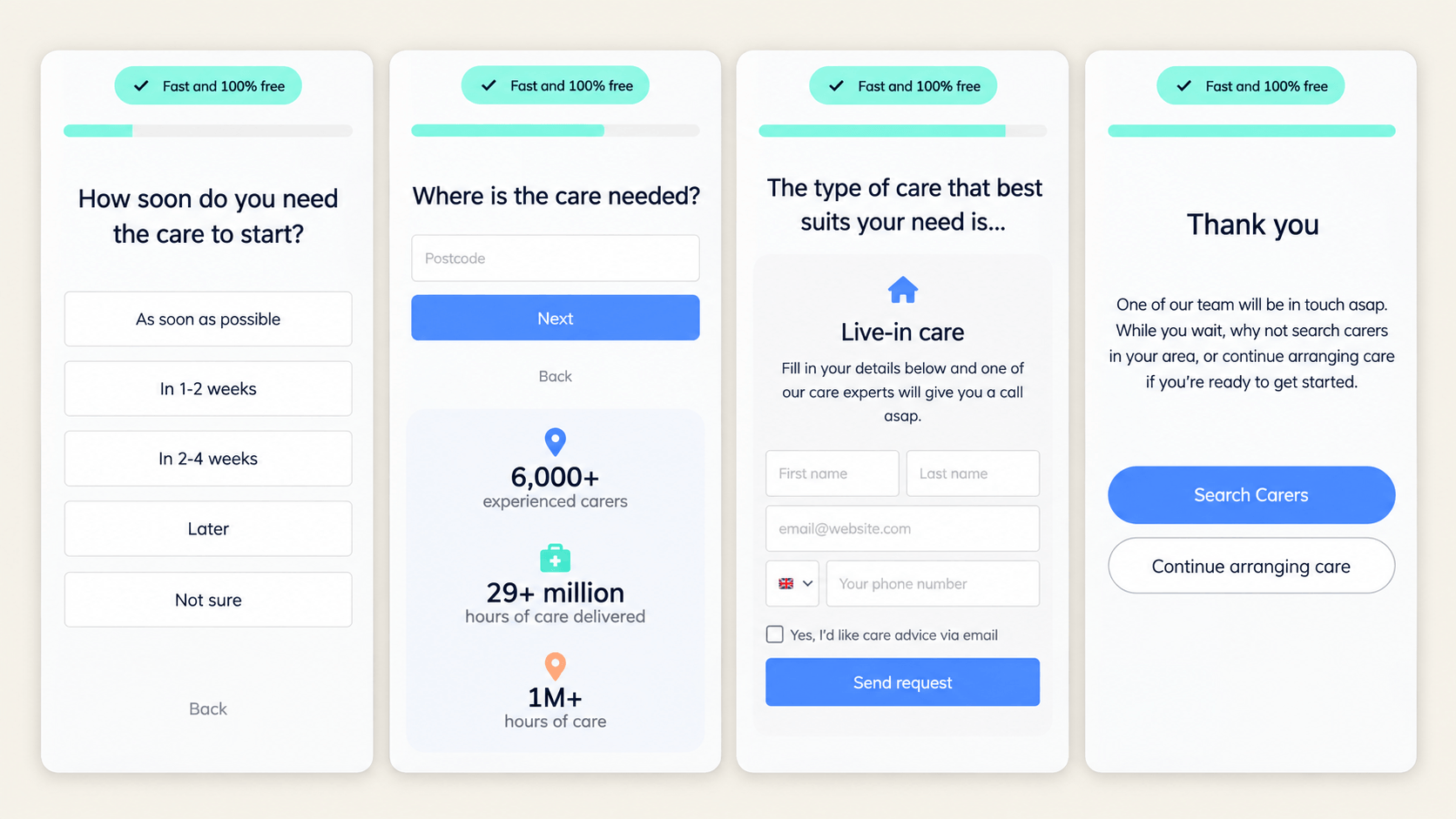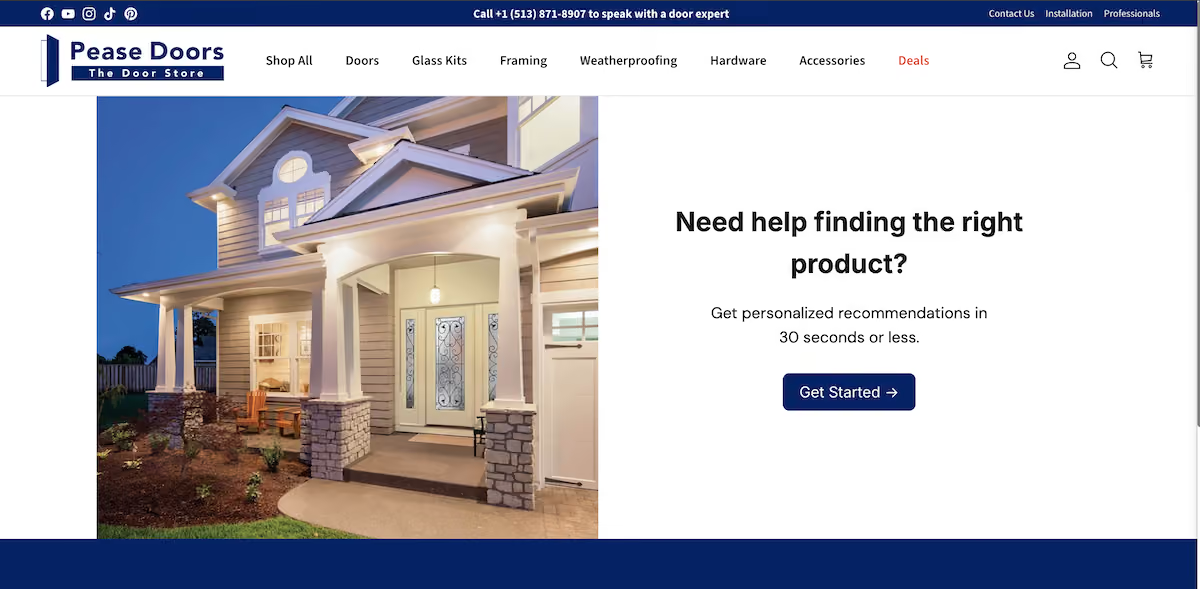
Furniture shoppers don't buy the way most online stores are designed to sell. When purchases involve entire rooms, premium materials, and long-term decisions, sending visitors straight into a large catalog can create more uncertainty than confidence.
To simplify product discovery and help shoppers make better decisions, Snyder's ConvertFlow quiz funnel helps visitors find the right furniture for their needs before browsing the full catalog. Supporting popups guide shoppers and capture contact information while incentivizing participation.

The challenge
Furniture shoppers aren't just deciding whether to buy. They're deciding what room to furnish, what style fits their home, and which products are worth investing in. That complexity can make traditional ecommerce browsing feel overwhelming.
Common challenges include:
- Large catalogs that create decision fatigue
- High price points that naturally slow purchase decisions
- A store-first browsing experience that treats all visitors the same
- Promotions presented before shoppers understand their options
- Low-intent browsing sessions that dilute overall order value
To improve performance, brands need to make more than just incremental tweaks at checkout. That’s why it’s essential to guide shoppers earlier in their buying journey.
The solution
Instead of sending every visitor directly into open-ended browsing, Snyder's uses a ConvertFlow quiz funnel to help shoppers find the right products before entering the broader store experience. Their funnel simplifies product discovery, reduces catalog overwhelm, and creates a more streamlined purchase path for high-consideration buyers.
1. A ConvertFlow quiz that simplifies product discovery
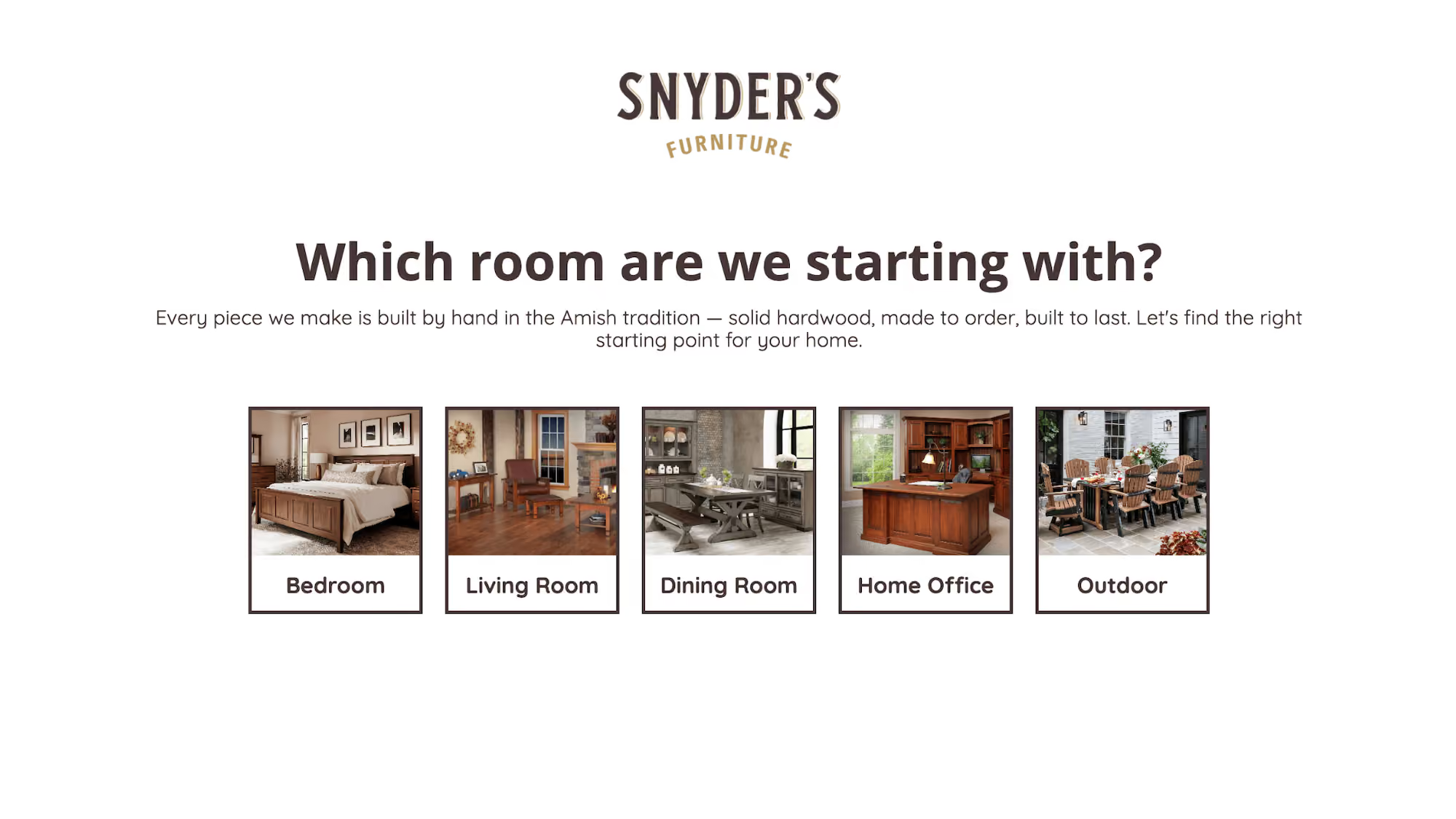
Furniture shoppers often arrive with a goal but not a clear path to the right products. Rather than forcing visitors to browse dozens of categories and collections, Snyder's begins with a quiz questionnaire.
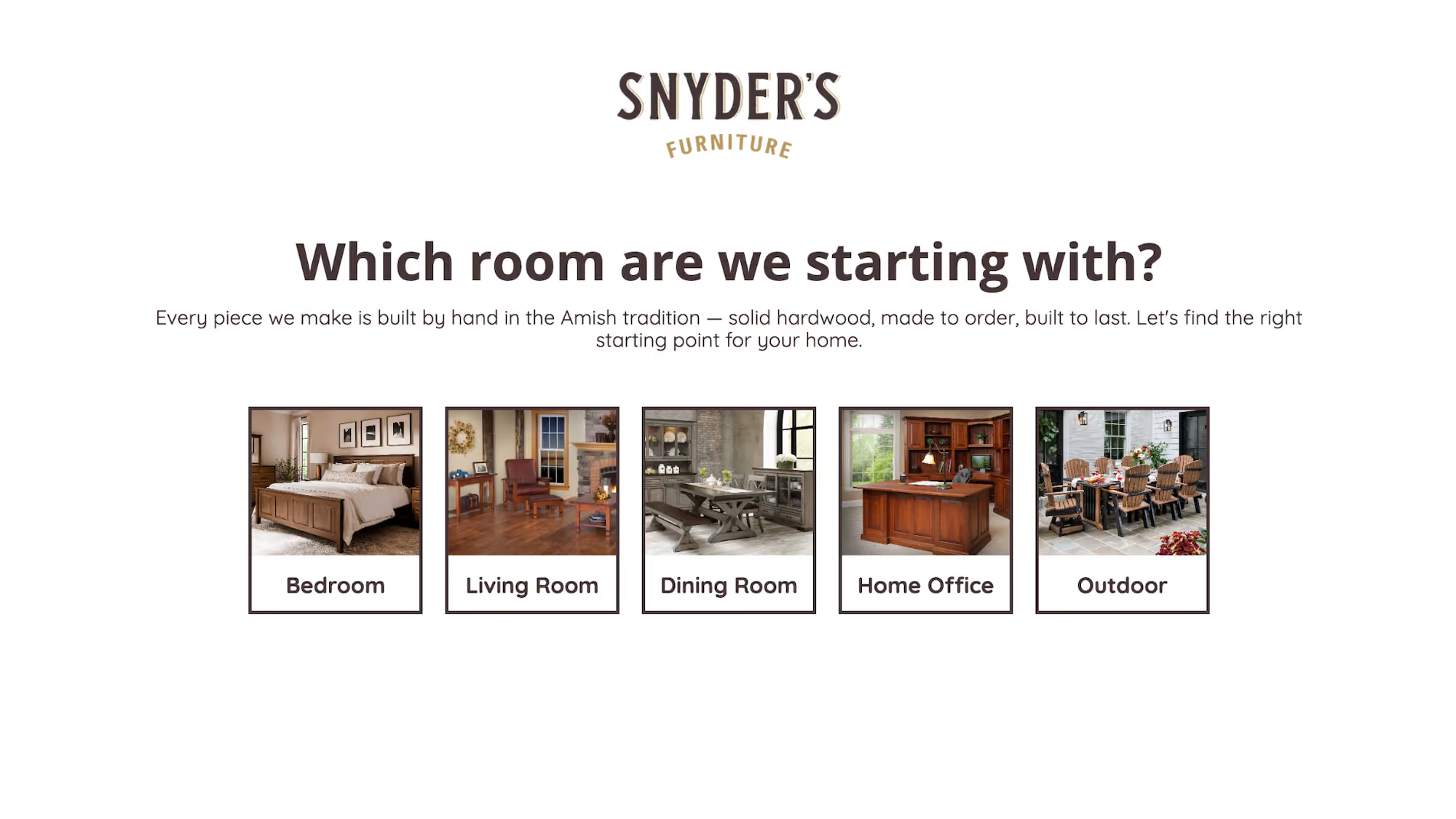
The quiz asks people to define the room they're furnishing and directs them toward the most relevant products. This creates a focused buying journey from the first interaction.
2. Funnel experimentation that improved order value
Snyder's continuously experiments with how shoppers enter and move through their funnel. Instead of optimizing only for conversion rate, the team focuses on purchase outcomes. By refining the quiz experience and the path into the catalog, Snyder's increased AOV from $1,700 through the standard store experience to $2,700 through the quiz funnel. Doing this resulted in a 59% lift in AOV.
3. Popups that support the full funnel
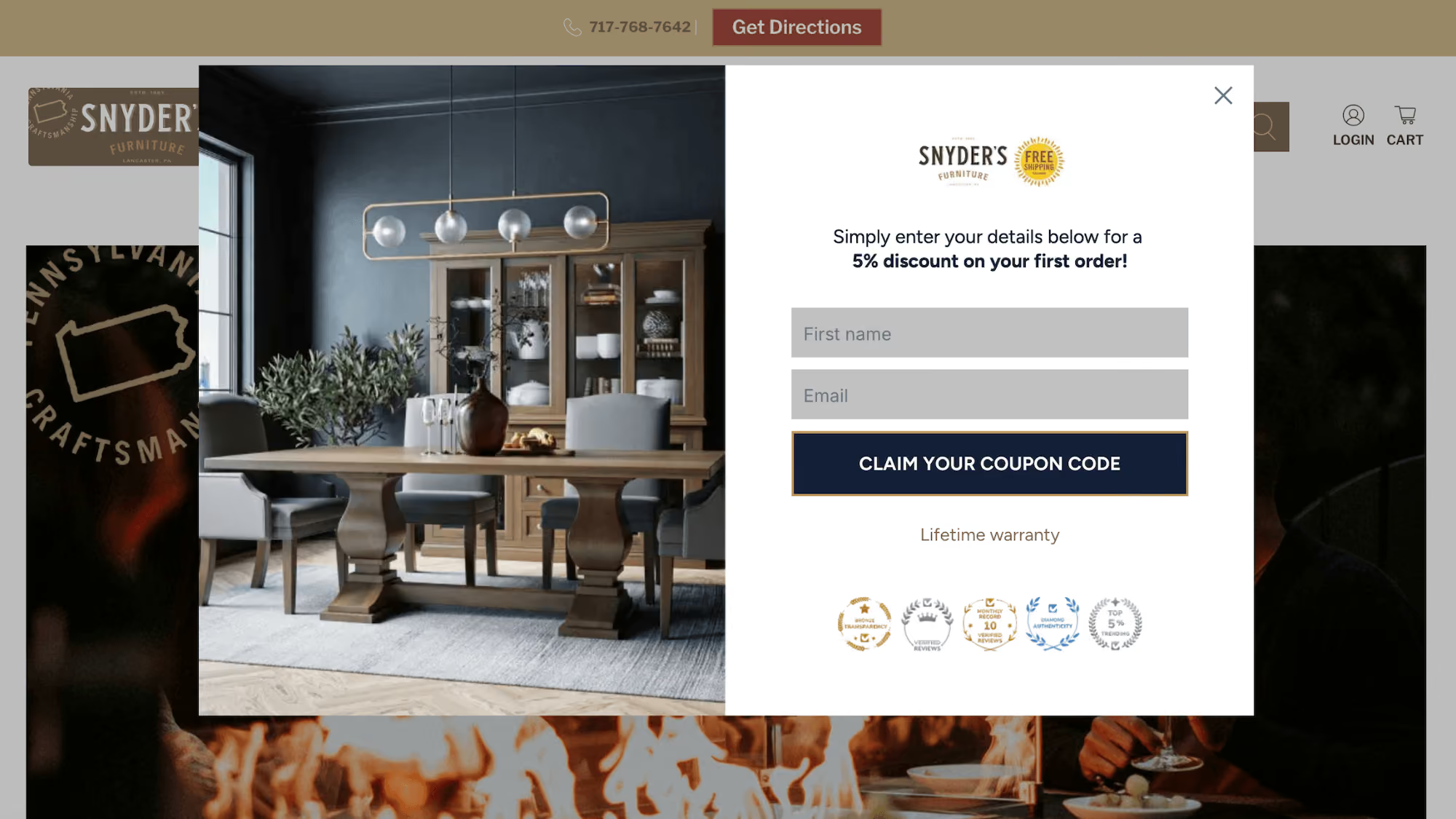
Popups play an important role, but they're not the destination. Instead of acting as standalone lead-capture tools, Snyder's uses targeted ConvertFlow popups to guide visitors to the quiz, capture contact information, and create micro commitments before shoppers enter the broader buying journey.
By supporting the quiz instead of competing with it, popups help increase engagement while keeping the experience focused on product discovery.
The results
Snyder's ConvertFlow quiz funnel produced an AOV of $2,700, compared to the store's $1,700 average order value, representing a 59% lift.
Unlike most brands whose stores default to open-ended browsing, Snyder's quiz funnel helps shoppers discover the right products faster, make more confident decisions, and ultimately purchase higher-value orders.
Why this works for high-consideration ecommerce
High-ticket purchases rarely happen through open-ended browsing alone. When shoppers are investing hundreds or thousands of dollars into a purchase, they need help narrowing options, building confidence, and finding the right products for their needs.
ConvertFlow quiz funnels work because they:
- Simplify product discovery
- Reduce catalog overwhelm
- Match shoppers with relevant products faster
- Create momentum before visitors enter the broader store
- Improve purchase confidence through guided decision-making
Rather than asking shoppers to figure everything out themselves, Snyder's helps them make progress before they ever begin browsing the full catalog.
What performance-driven brands can learn
High-consideration brands can apply the same principles:
- Guide product discovery instead of relying on open browsing
- Optimize for order quality, not just conversion rate
- Use quizzes to qualify intent and simplify decision-making
- Continuously experiment with how shoppers move through the funnel
The most effective funnels don't push shoppers harder. They help shoppers make better decisions.
Key takeaway
If you sell products that require research or guidance before purchase, don't send shoppers straight into a catalog.
A ConvertFlow quiz can help customers define their options, build confidence, and arrive at higher-value purchases. Combine that with ongoing testing, and you'll improve the buying experience and increase revenue per customer.