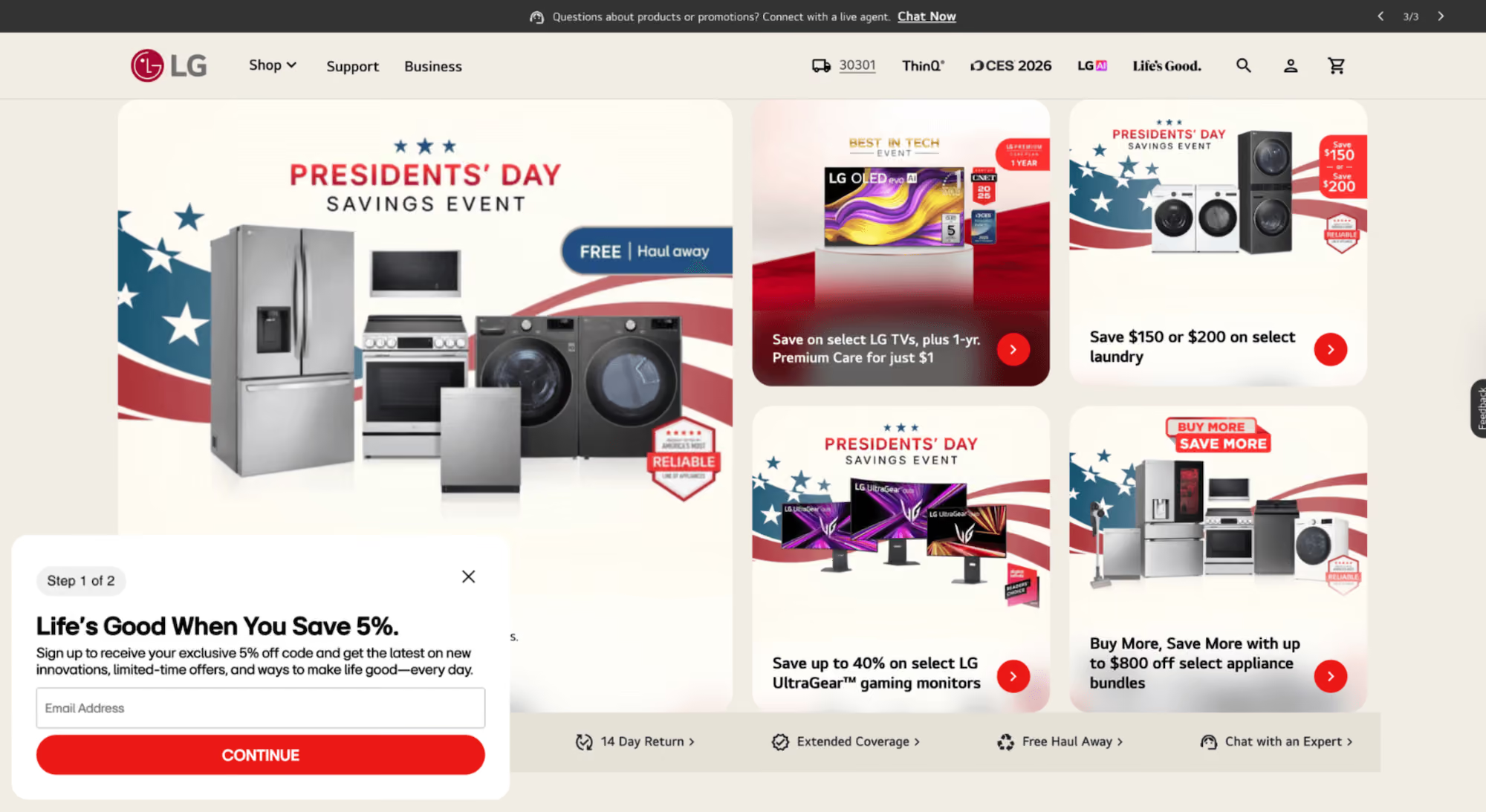
The challenge
LG’s engineering infrastructure does exactly what it’s supposed to do: keep things stable, secure, and consistent across a massive global operation.
The tradeoff?
Marketing-led experimentation moves at the pace of development cycles, not at the pace of ideas.
When LG’s marketing team wanted to test a new funnel entry point, adjust offer messaging, or experiment with how visitors were routed post-click, each change followed the same slow process: a ticket, a queue, a sprint, and finally, a release.
Even lightweight tests, swapping a headline, testing a layout variation, or trying a different CTA sequence, required coordination with busy developers.
The result wasn’t a lack of ideas. It was a bottleneck between insight and action. The team could identify where funnel performance lagged, but couldn’t move fast enough to do much about it.
They needed a way to run real experiments, not workarounds, without touching the infrastructure on which their checkout and shopping experience depended.
The solution
LG deployed ConvertFlow as a dedicated experimentation layer that sits upstream of their checkout and core systems.
The key distinction? This isn’t a bolt-on tool patching gaps in the existing stack; it’s a parallel system built to let marketers own the full experimentation workflow, from hypothesis to live test to iteration, all without filing a single development request.
How their funnel experiments work
1. Structured entry points replace passive browsing
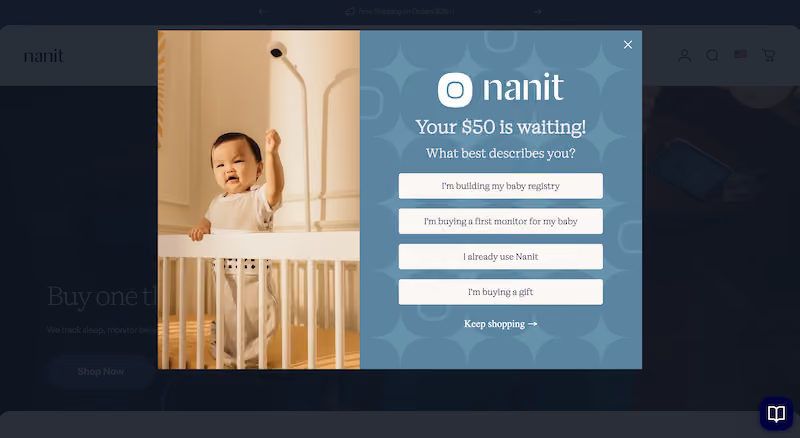
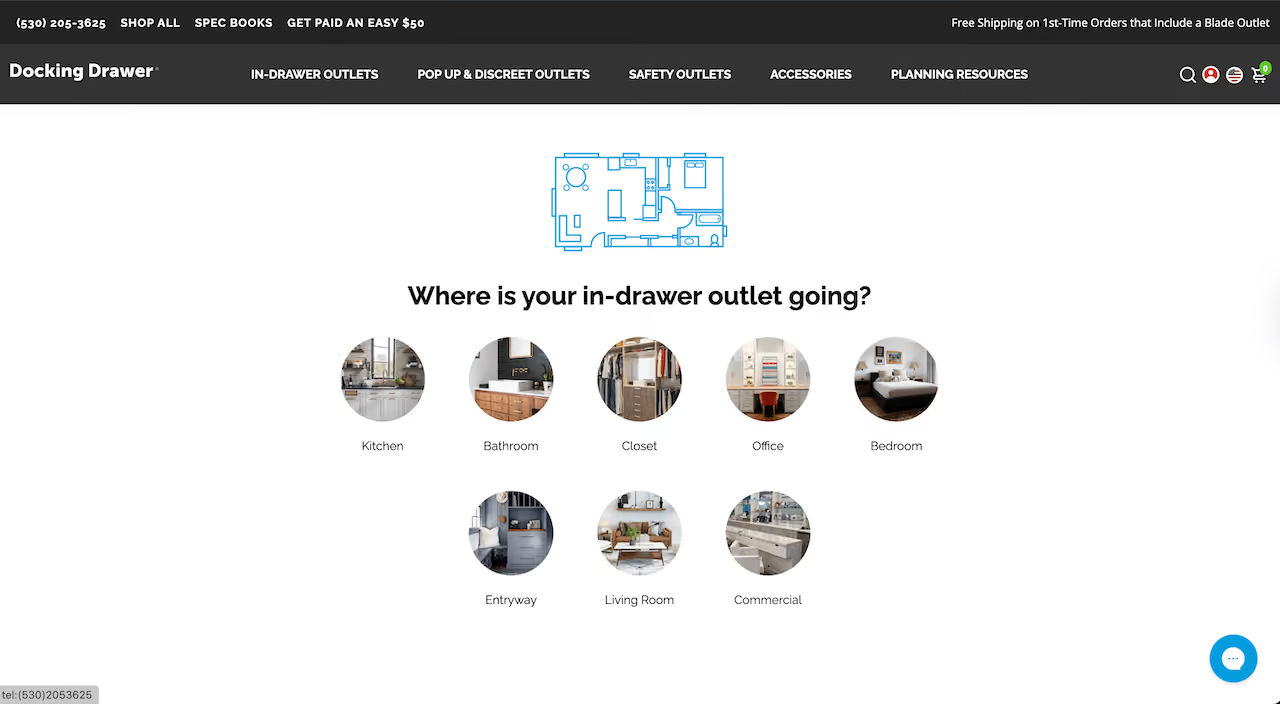
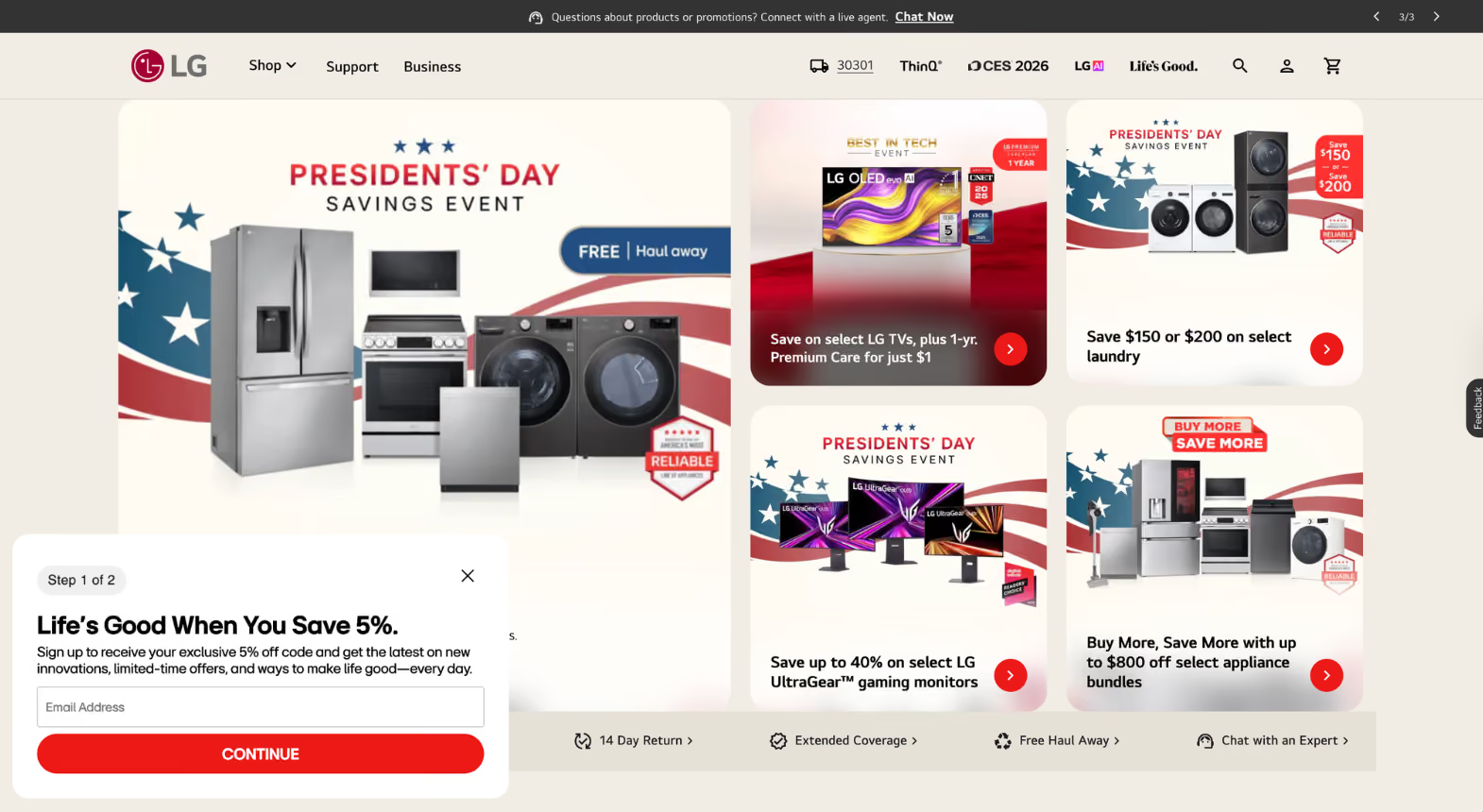
Instead of dropping visitors into static category pages and hoping they self-navigate, LG uses ConvertFlow to deploy embedded experiences and overlays that channel traffic into intentional funnel paths based on source, behavior, or segment.
These entry points are built and launched entirely within ConvertFlow. No complicated template edits, staging environments, or release windows are required.
2. Messaging and offer variations go live in hours, not sprints
Inside each experience, LG’s team tests variations in copy, layout, offer framing, and funnel structure directly in ConvertFlow’s robust dashboard and builder. This is where the speed advantage becomes tangible. A test that used to require a dev ticket and a 2-week wait now goes from concept to live experiment in the same work session. Marketers control what gets tested, when it launches, and how quickly it iterates.
3. Conditional logic routes visitors by intent (not assumptions)
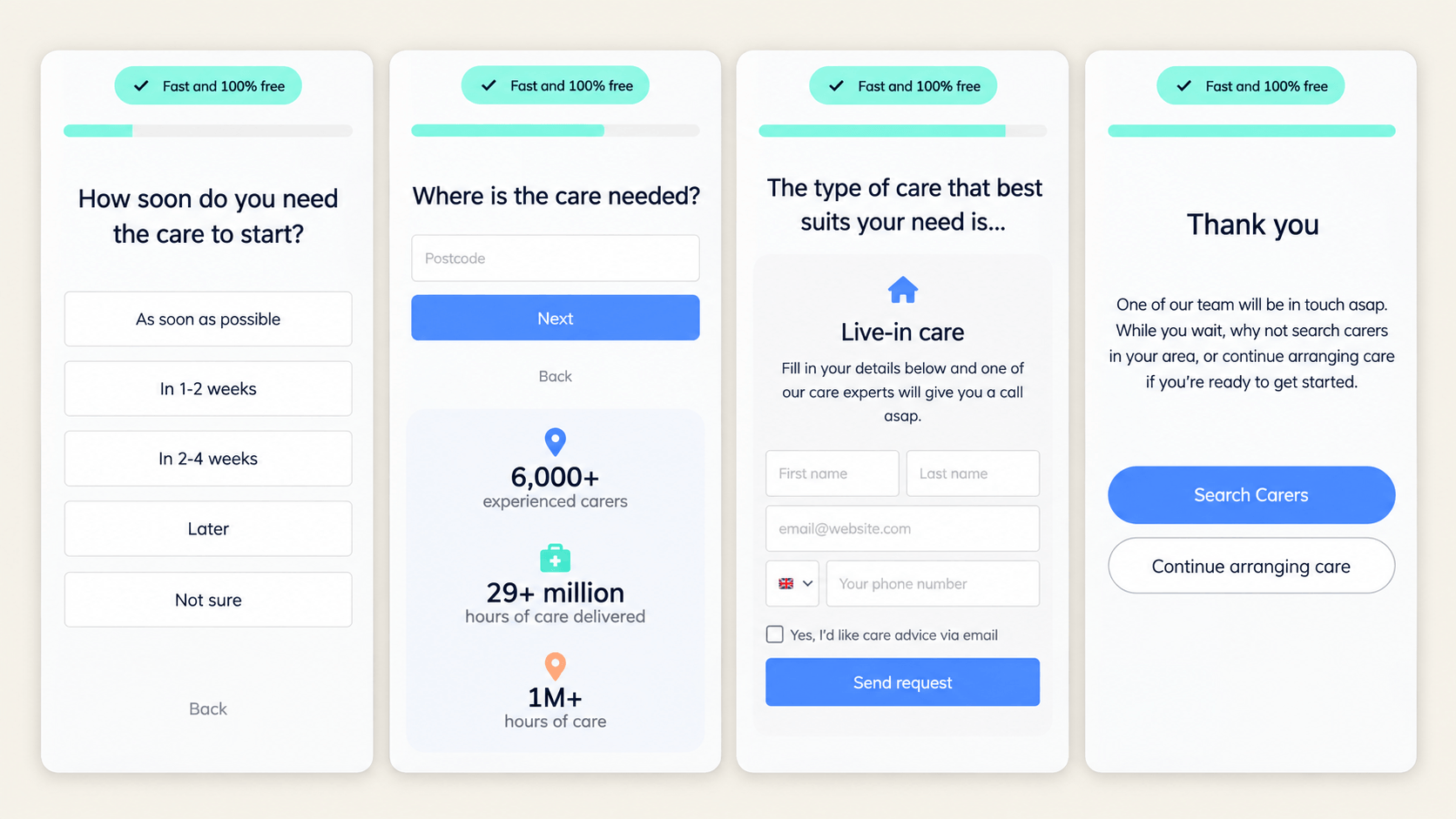
ConvertFlow’s conditional routing lets LG segment website visitors dynamically within the funnel itself. They can do it based on selections, behavior, or known attributes. Shoppers are guided down different paths, each designed for a different level of intent or product interest. All this creates real-time personalization at the funnel level without requiring changes to checkout logic or backend segmentation systems.
4. Parallel experiments run continuously across markets and use cases
With engineering off the critical path, LG’s team can run multiple campaigns simultaneously across product lines, regions, and funnel types. Campaigns can be launched, paused, and adjusted on the team’s timeline. Experimentation shifts from a periodic, resource-gated activity to a continuous operating rhythm.
Why this works for enterprise brands
In most cases, enterprise teams don’t have a traffic problem. They have a testing throughput problem. The infrastructure that keeps checkout reliable and product pages consistent is also what makes quick funnel experimentation difficult. These priorities often conflict, and the typical response is to compromise between them.
ConvertFlow resolves that challenge by creating a clear separation between infrastructure and experimentation. Marketing controls the funnel layer, while engineering controls everything else. That way, neither team is waiting on the other to move forward.
For brands operating on custom stacks with structured release processes, this upstream model is the difference between testing a handful of ideas per quarter and running a continuous pipeline of experiments that compounds learning over time.
The results
With ConvertFlow operating as its dedicated experimentation layer, LG shifted funnel testing from a development-gated process to a streamlined marketing-owned capability.
The team now launches and iterates on funnel experiences without engineering involvement, testing messaging, offer structure, and visitor routing on their own timeline. Multiple campaigns run in parallel across product lines and regional markets, without competing for development resources or waiting on release windows.
The operational shift compounds over time. Each experiment generates insight that feeds the next. And because marketing controls the full testing workflow, the gap between learning, iterating, and acting has been compressed from weeks to hours.
For a brand operating at LG’s scale, that kind of acceleration isn’t incremental; it’s structural. Turning funnel experimentation from an occasional project into an always-on growth engine can significantly impact revenue goals and the bottom line.