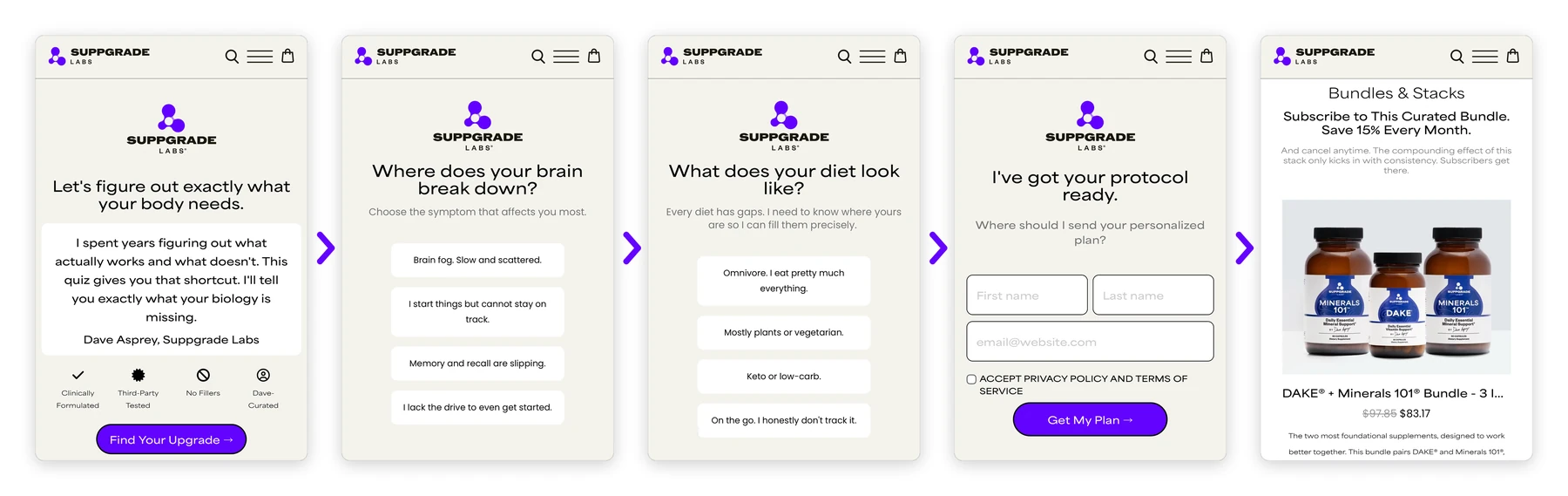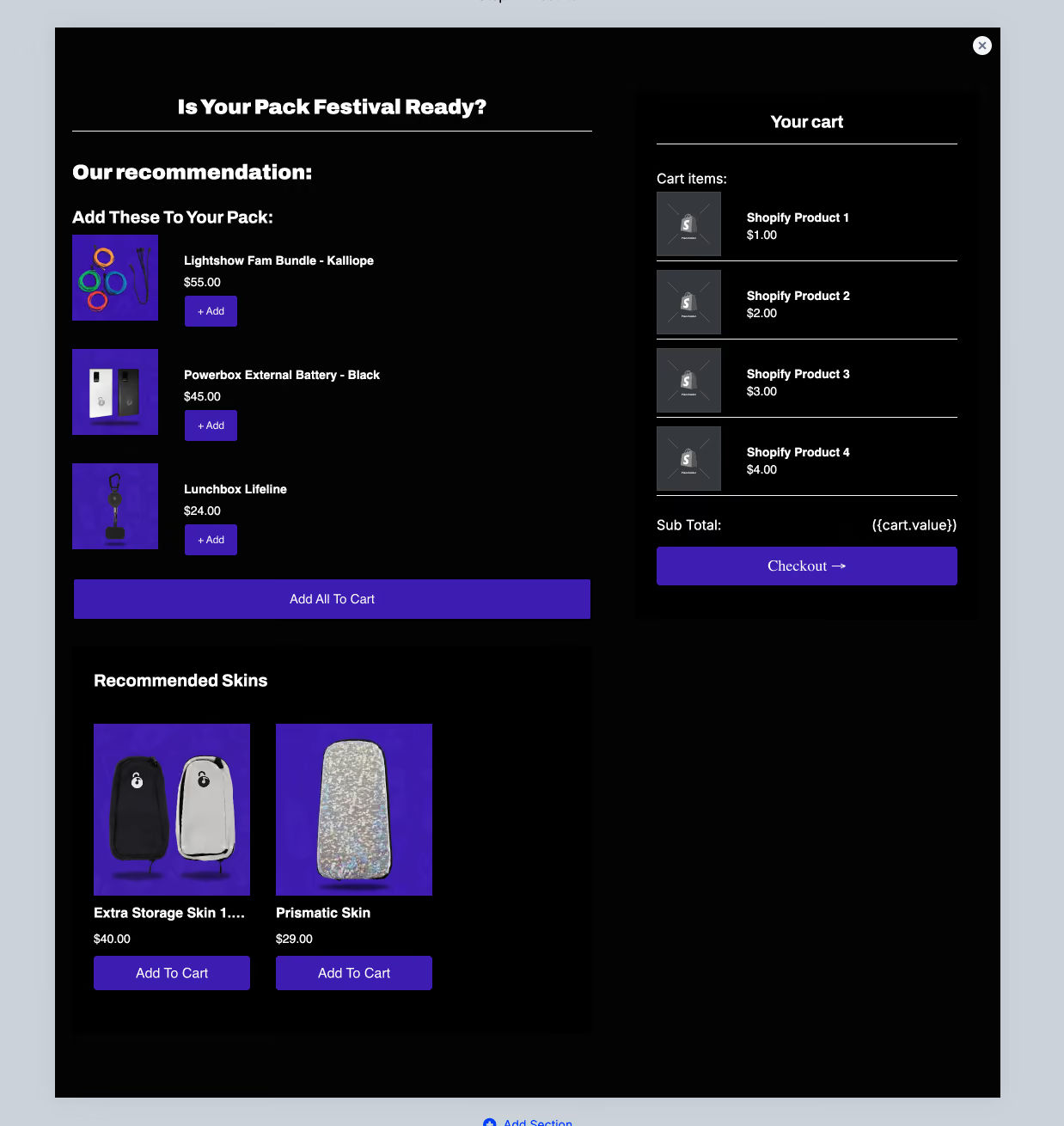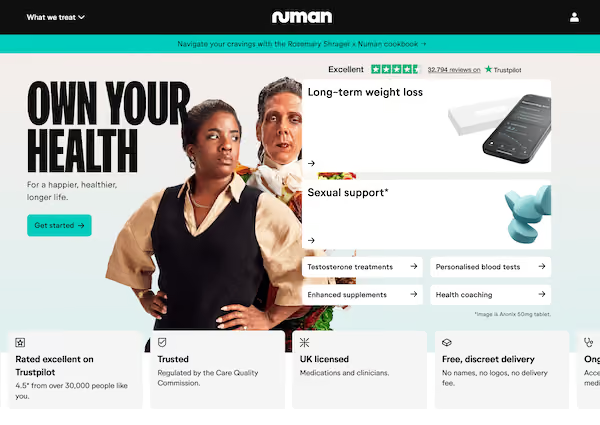
Most ecommerce brands rely on passive browsing experiences to convert traffic. Nanit takes a more guided approach. Their ConvertFlow popup funnel that captures intent, segments audiences, grows email and SMS subscribers, and creates a more intentional path from engagement to purchase.
The challenge
For ecommerce brands, converting high-intent traffic often requires more than a simple email popup. Most ecommerce popups interrupt and don’t convert well because they:
- Ask for too much information upfront
- Deliver generic experiences to every visitor
- Capture limited customer insight
- Don’t create a connection between engagement and revenue outcomes
For a high-consideration category like smart baby monitoring and parenting technology, personalization and relevance matter.
Nanit needed a better way to:
- Capture more qualified leads
- Learn about shopper intent
- Grow both email and SMS audiences
- Create a more personalized customer journey
- Better connect onsite engagement to ecommerce performance
Instead of treating lead capture as a standalone tactic, Nanit launched a ConvertFlow popup funnel designed to progressively guide visitors toward purchase.
This approach helps to reduce friction, increase participation, and create a more personalized experience while capturing valuable zero-party data before the opt-in request. Rather than functioning like a traditional popup, their ConvertFlow funnel feels more like a guided interaction tailored to the shopper.
For ecommerce brands, this kind of popup funnel can often outperform static lead forms because visitors are actively participating in the experience instead of passively encountering an interruption.
The solution
Nanit’s team chose to use a multi-step popup funnel built in ConvertFlow to capture zero-party data, personalize the customer journey, and guide shoppers through a structured conversion flow. The experience they created combines:
- Survey-based engagement
- Progressive profiling
- Email capture
- SMS opt-ins
- Funnel attribution reporting
- Purchase tracking
Instead of treating lead capture as a single conversion event, the funnel turns it into a progressive customer journey.
1. Nanit starts with a survey question
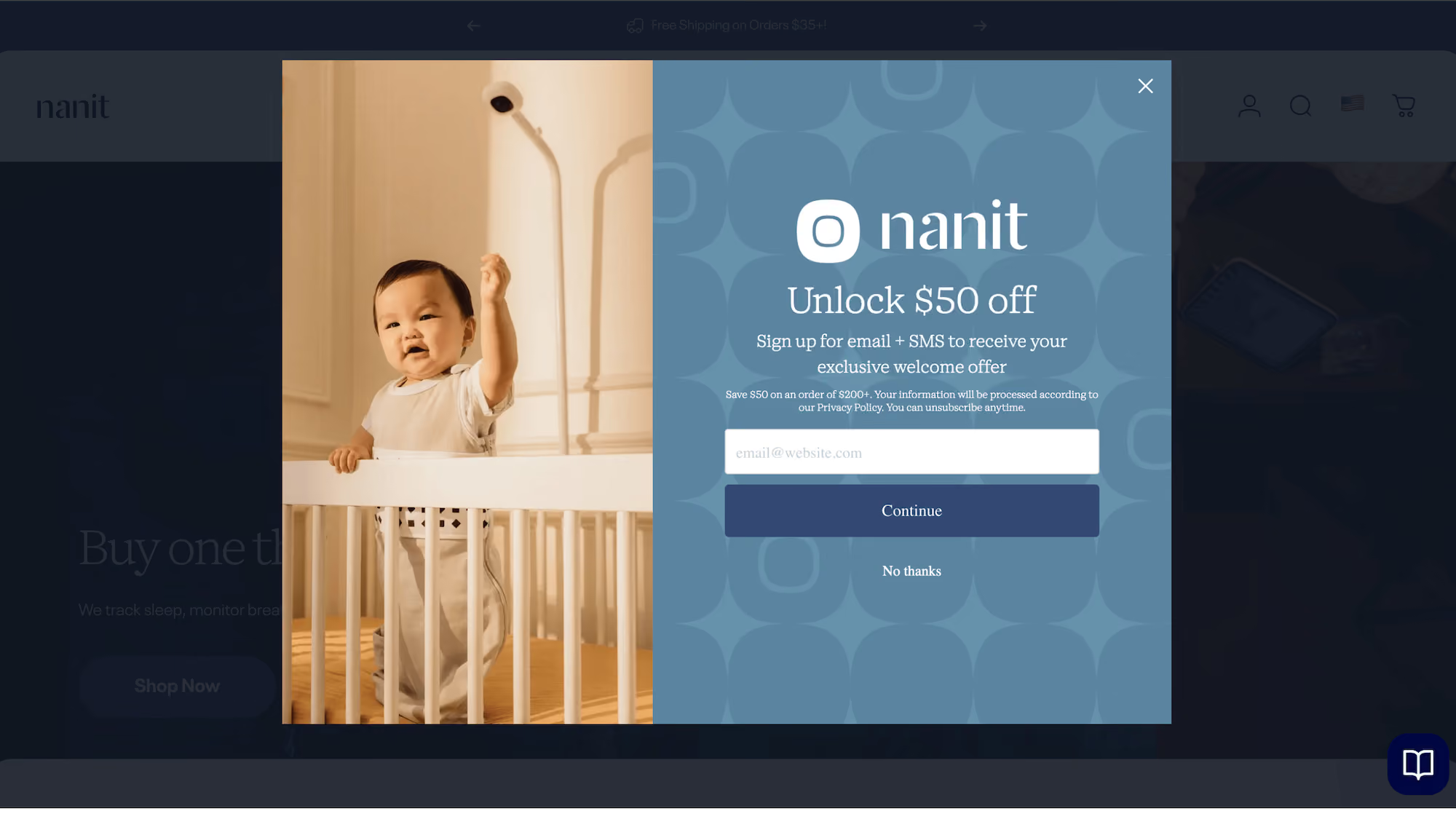
Instead of immediately asking visitors for contact information, their popup funnel begins with a survey question designed to increase engagement and gather more context on the customer's needs.
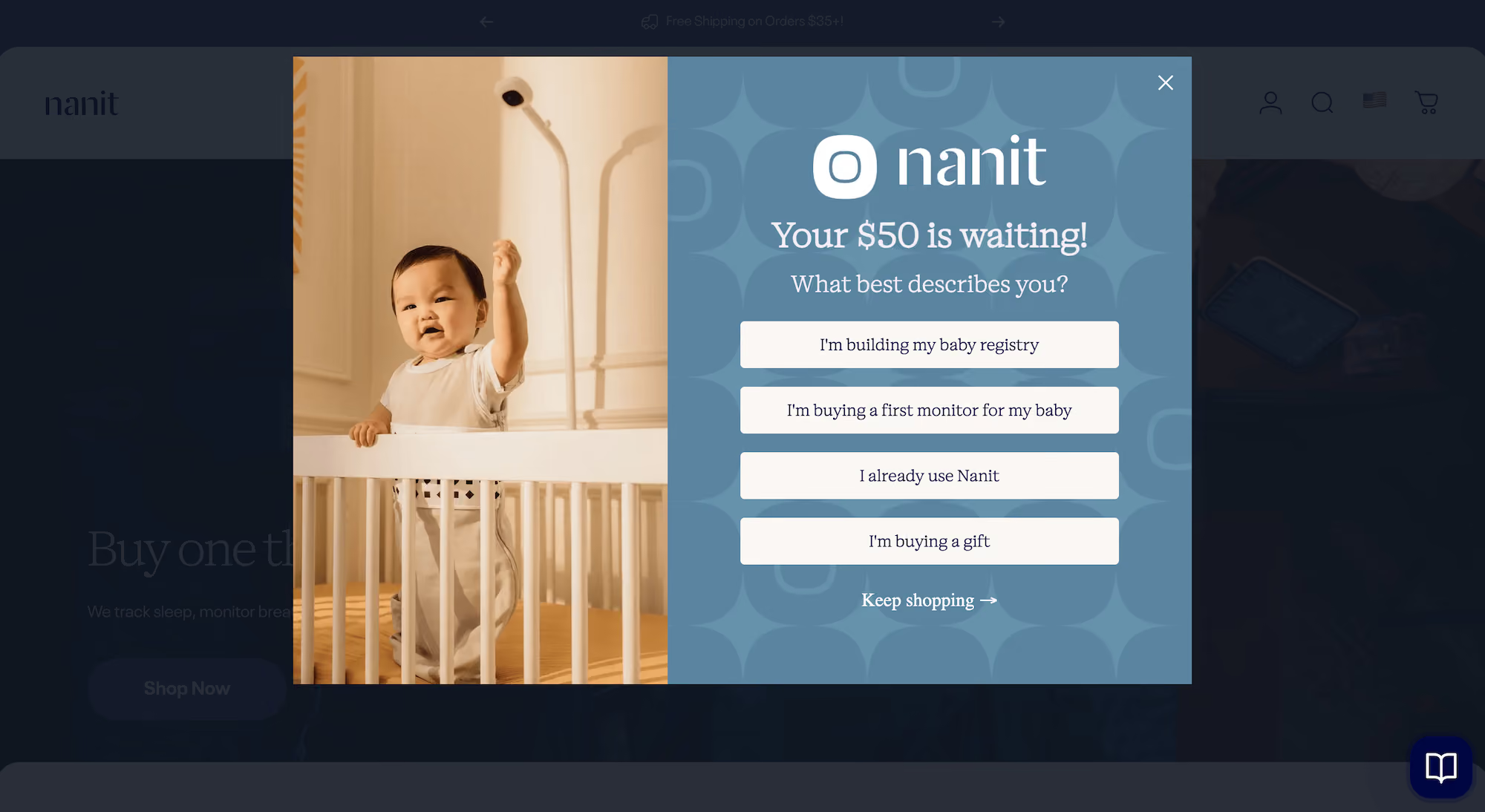
This approach helps to reduce friction, increase participation, and create a more personalized experience while capturing valuable zero-party data before the opt-in request. Rather than functioning like a traditional popup, their popup feels more like a guided funnel tailored to the shopper.
For ecommerce brands, this kind of popup funnel can often outperform static lead forms because visitors are actively participating in the experience instead of passively encountering an interruption.
2. The popup funnel progressively captures customer information
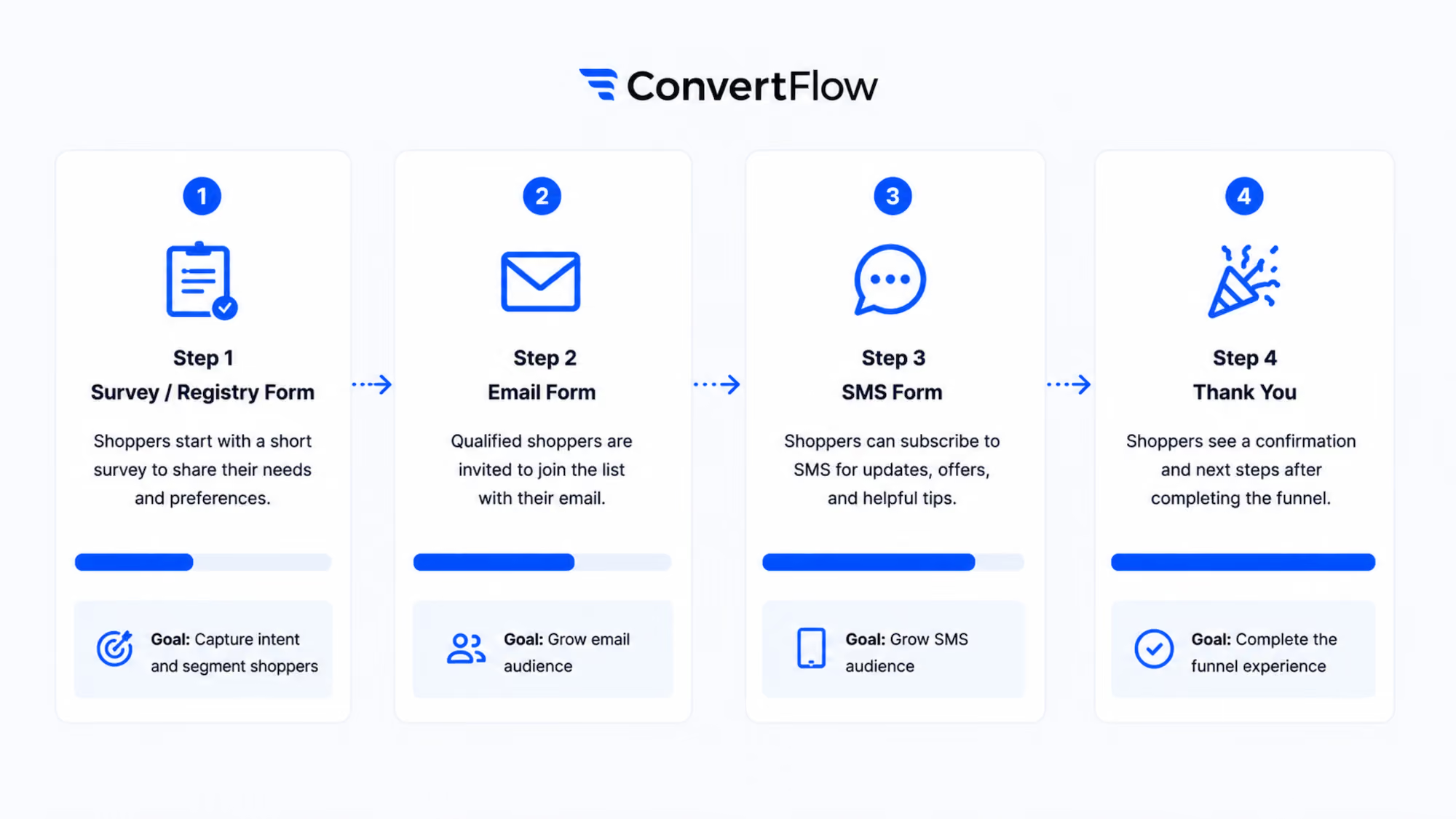
After the initial interaction, their popup funnel moves shoppers through additional steps designed to collect information in stages. Nanit’s popup funnel includes a survey step, email capture, an SMS opt-in, and a thank-you step.
Instead of asking for everything up front, Nanit uses ConvertFlow's progressive profiling to gradually deepen the customer relationship and gather contact information over multiple interactions, recording surveys before opt-in and syncing them through once the email is captured.
Doing this helps to:
- Improve completion rates
- Reduce abandonment
- Increase opt-in quality
- Build richer customer profiles over time
Breaking the popup funnel into small steps lowers friction and creates a smoother path from engagement to conversion.
3. Survey responses create segmentation opportunities
One of the key advantages of ConvertFlow funnels is the ability to collect intent data directly from visitors. When needed, you can use custom fields to better understand customer needs and behaviors throughout the funnel experience.
This type of zero-party data can support:
- Audience segmentation
- Personalized messaging
- Lifecycle marketing
- More relevant follow-up campaigns
- Better targeting across channels
Instead of treating every visitor the same, the popup funnel creates the foundation for more personalized customer journeys after the initial interaction.
4. ConvertFlow connects engagement to ecommerce activity
Many traditional popups focus primarily on lead capture metrics. Nanit uses ConvertFlow to create greater visibility between funnel engagement and ecommerce activity, including:
- Funnel participation
- Opt-ins
- Orders
- Revenue attribution
- Average order value tracking
All of this helps teams evaluate funnel performance beyond simple email captures and better understand how guided customer journeys contribute to downstream business outcomes. For ecommerce marketers, this kind of visibility can create a clearer connection between onsite experiences and revenue performance.
5. The popup funnel creates a more guided buying journey
Many ecommerce stores still rely heavily on passive browsing experiences: Collection pages, product grids, generic popups, and static discovery flows. Nanit takes a more guided approach. By combining surveys, progressive data capture, and structured funnel steps, the experience moves visitors through a more intentional customer journey. This helps:
- Reduce decision fatigue
- Improve engagement
- Increase buying intent
- Capture higher-quality leads
- Create stronger personalization opportunities
For brands operating in high-consideration categories, guided funnels can create a more connected path from initial engagement to purchase.
The results
Rather than relying on a single popup form, Nanit’s ConvertFlow funnel creates a more structured path from engagement to conversion. Visible reporting in ConvertFlow shows strong participation across the experience, including survey engagement, email capture, SMS opt-ins, and downstream ecommerce activity.
The implementation highlights how guided funnelscan help ecommerce brands grow owned audiences, collect segmentation-ready customer data, and create more personalized customer journeys.
Why ConvertFlow funnels outperform passive browsing
Nanit’s ConvertFlow funnel works because it transforms lead capture into a guided customer experience. Instead of relying on disconnected popup forms, their ConvertFlow funnel uses:
- Interactive surveys/quizzes
- Progressive profiling
- Multi-step conversion flows
- Zero-party data collection
- Funnel attribution
- Structured customer journeys
The result is a more connected post-click experience designed to move visitors toward purchase while simultaneously growing owned audiences and improving customer insight.
Key takeaways
For ecommerce brands focused on improving post-click performance, Nanit provides a strong example of how ConvertFlow funnels can turn traffic into a more intentional customer journey.
Here’s what marketers need to remember:
1. Ecommerce teams are moving beyond static popup forms
Instead of interrupting visitors with generic lead capture, ConvertFlow funnels create more intentional paths from engagement to purchase.
2. Progressive profiling lowers friction
Breaking data capture into multiple, smaller steps creates a smoother customer experience while helping brands collect richer customer data over time.
3. Zero-party data improves downstream personalization
Survey responses create segmentation opportunities across email, SMS, and onsite experiences, making follow-up marketing more relevant and personalized.
4. Funnel attribution creates better optimization opportunities
Connecting funnel engagement to ecommerce activity gives marketers clearer visibility into how post-click experiences contribute to business performance.
5. Funnel systems create compounding value
ConvertFlow funnels can simultaneously capture leads, grow SMS subscribers, segment audiences, support personalization, drive engagement, and contribute to downstream revenue activity.
6. ConvertFlow funnels create more measurable customer journeys
Rather than relying on passive browsing experiences, structured funnels help ecommerce brands create more intentional paths toward conversion while building stronger owned marketing audiences.