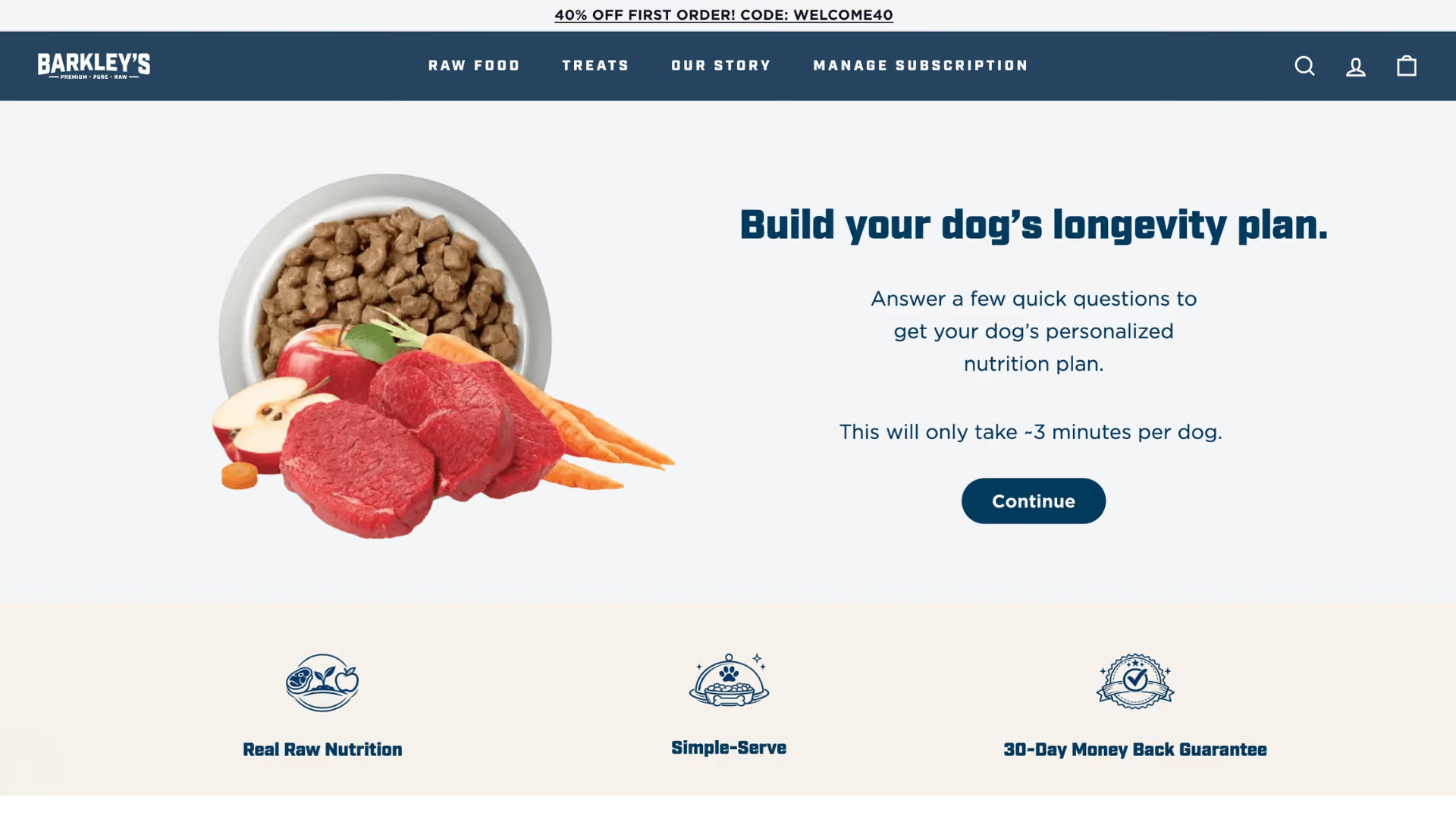
Instead of relying on store-first browsing, they use guided funnels, quizzes, and targeted popups to shape how customers move from interest to purchase. The result is a more structured buying journey designed to increase conversion quality and average order value.
The challenge
Barkleys Bag sells premium raw dog food to a wide range of customers. But like most DTC brands, the buying experience starts the same for everyone.
Visitors land on the store, browse products, and decide on their own. Different needs. Same path. Unfortunately, that creates friction, which can hurt sales:
- No guidance for first-time buyers
- No context behind product selection
- No structure to increase order value
The result? Conversion happens, but the order value is limited by the default browsing behavior.
The solution
Instead of sending all traffic directly to their store, Barkleys Bag uses ConvertFlow as a multi-funnel conversion layer.
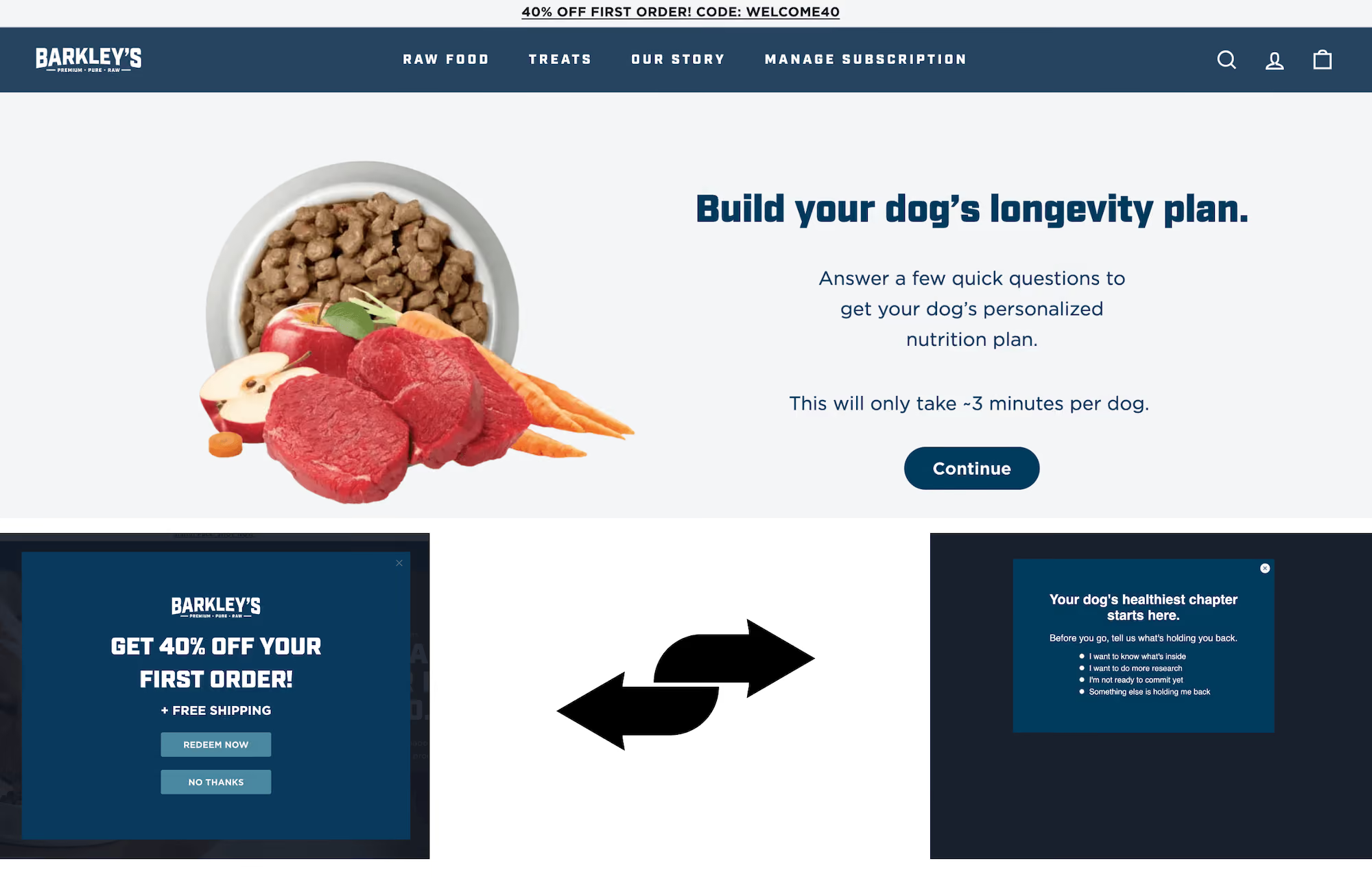
The brand’s multi-funnel conversion includes:
- A quiz funnel to guide high-intent buyers
- A welcome offer popup to capture and incentivize early decisions
- An exit-intent popup to recover abandoning visitors
Each funnel serves a different role. Together, they reshape the buying journey.
How the funnel system works
Step 1: Convert visitors on arrival
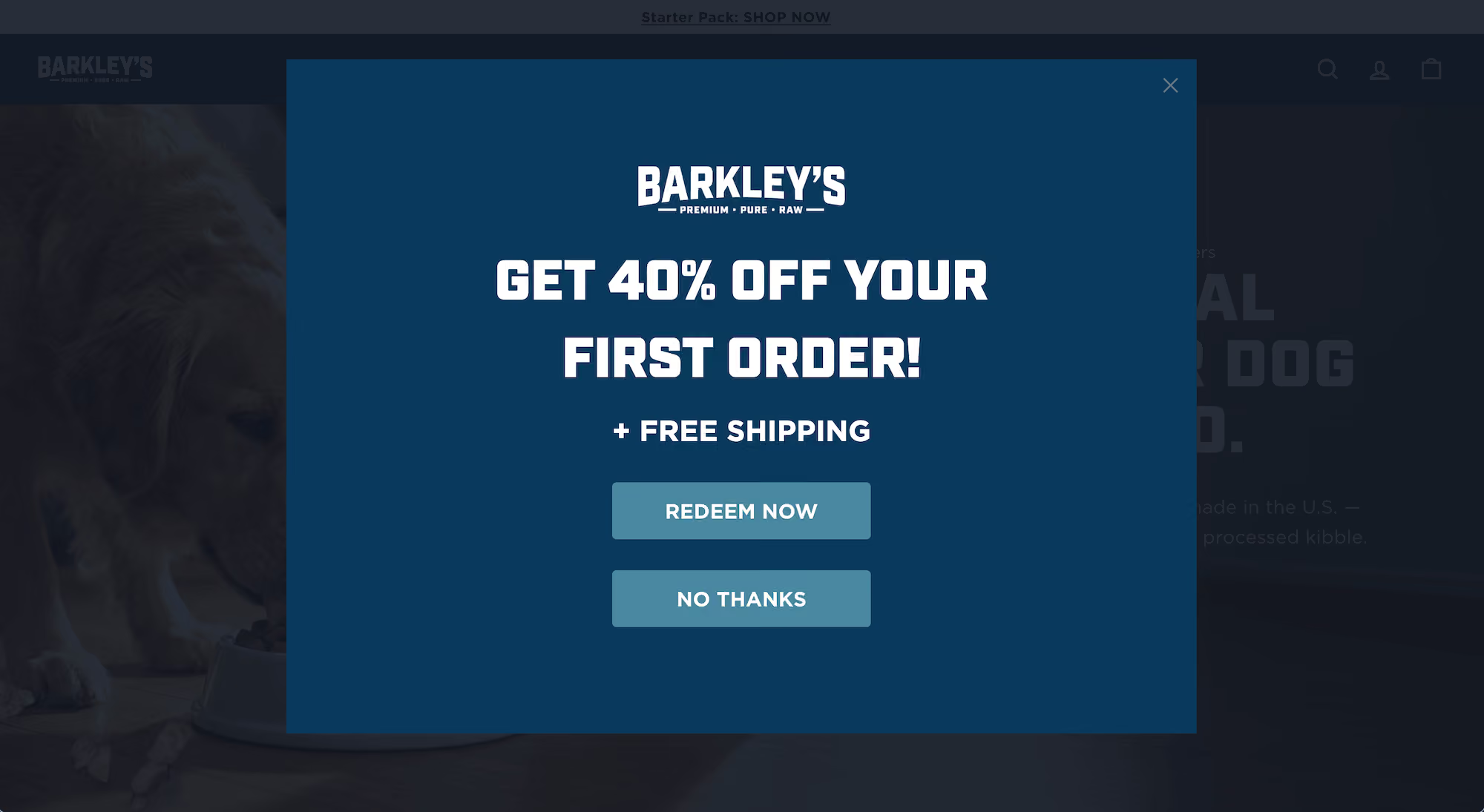
As a new visitor begins to scroll, a popup delivers a compelling welcome offer that sets the expectation to buy early in the session. This shifts the session from browsing to buying.
Step 2: Guide high-intent buyers
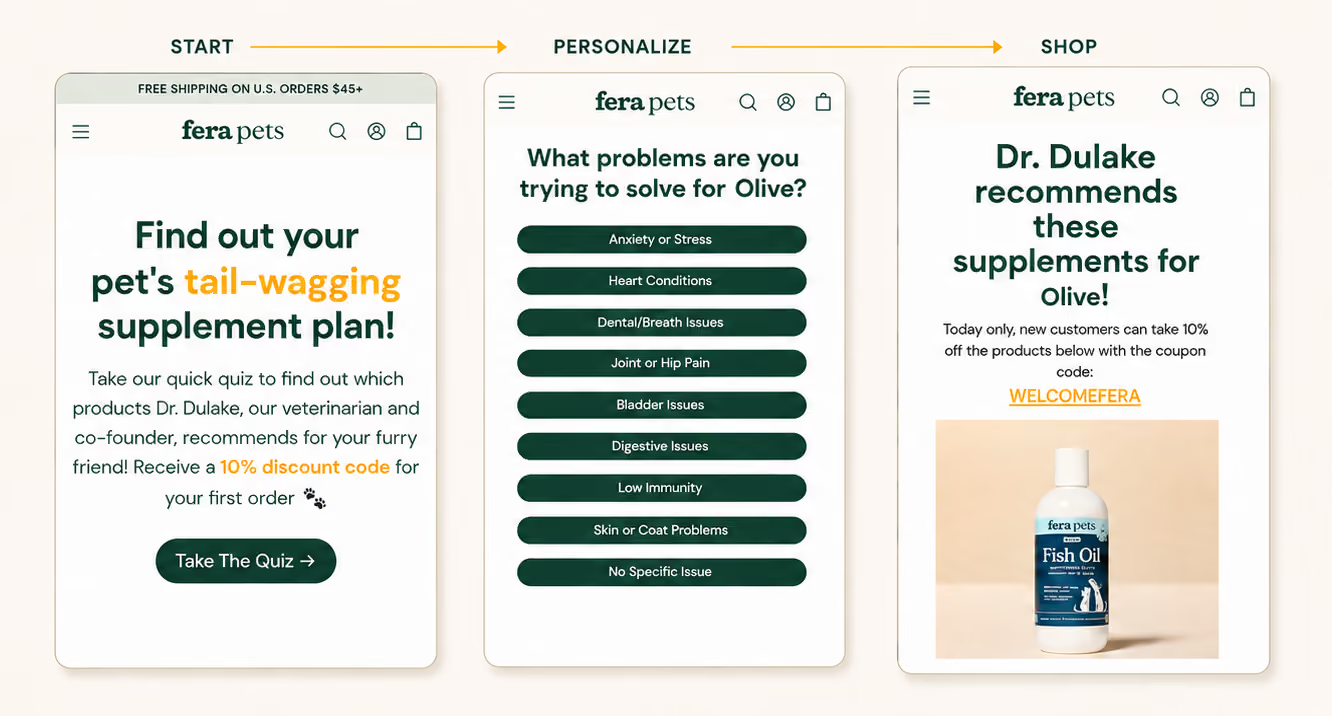
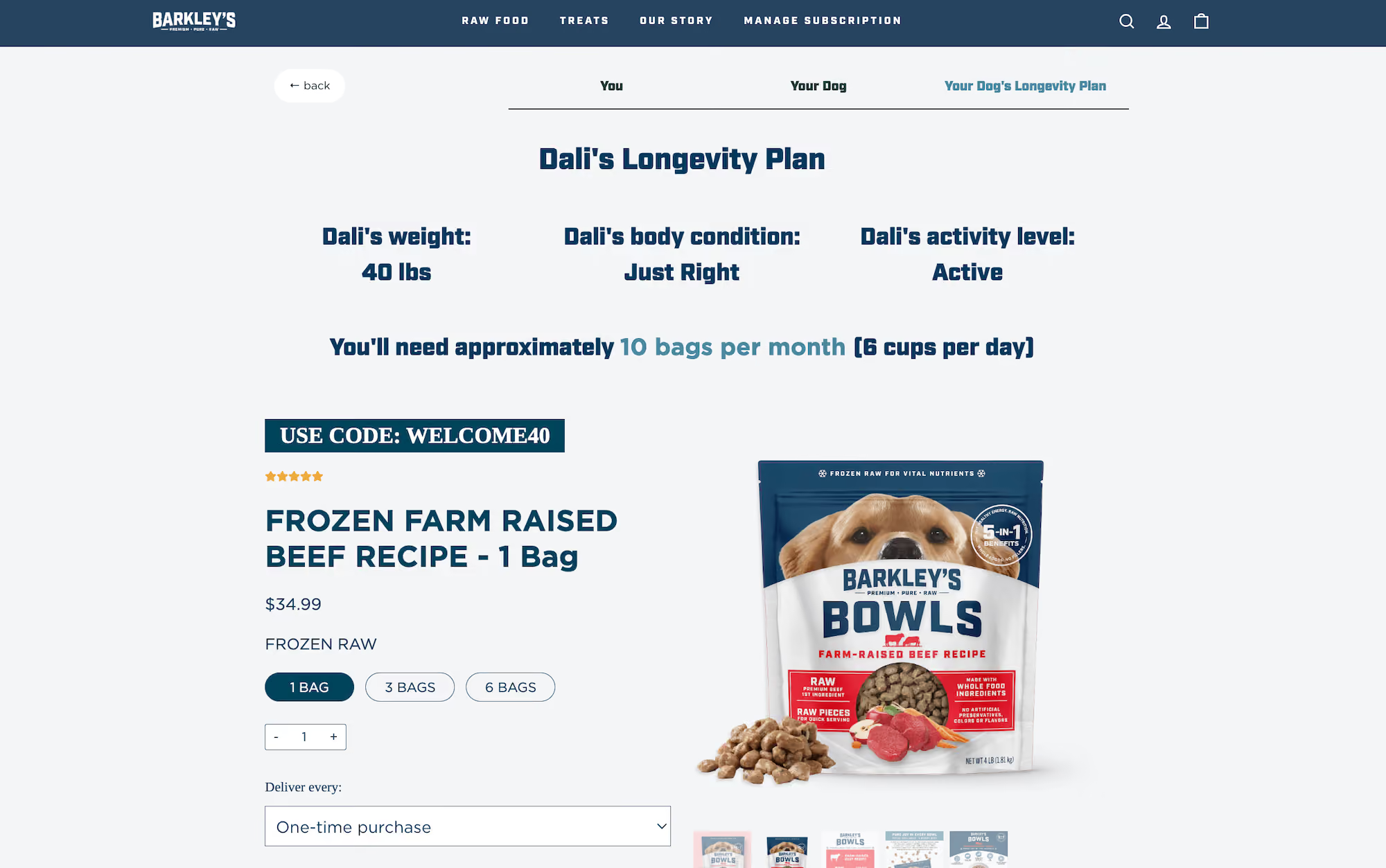
For visitors ready to engage, Barkleys introduces a quiz experience cleverly framed as “Build your dog’s longevity plan.”
Their quiz funnel effectively:
- Qualifies the customer
- Segments by need
- Recommends a tailored solution
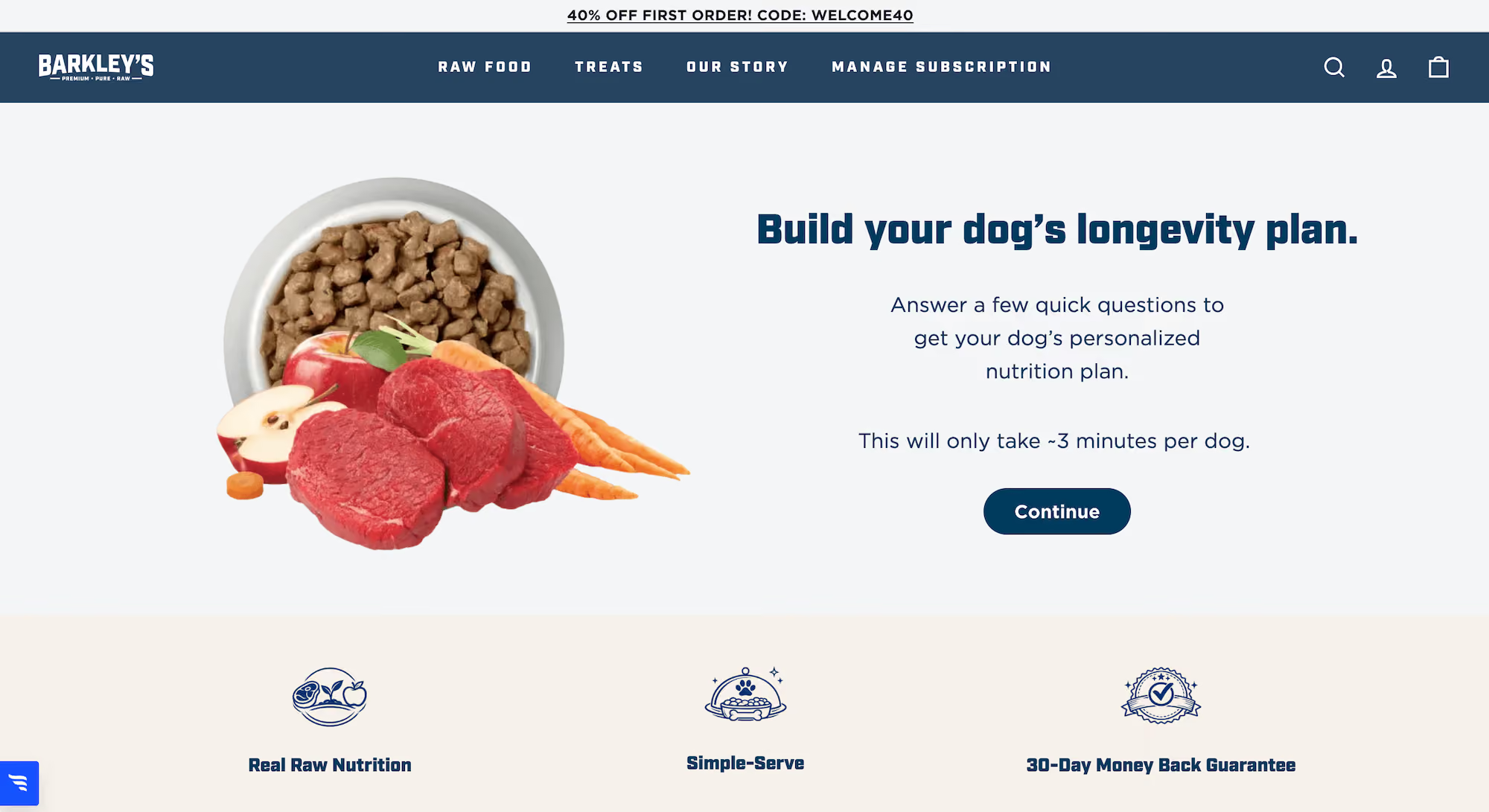
The product is no longer presented as a standalone item. It becomes part of a personalized plan.
After completing the quiz, shoppers get a plan tailored to their dog’s needs. By the time they reach the offer, the decision is already framed. That shift translated into significantly higher AOV compared to standard store browsing.
Step 3: Capture lost demand
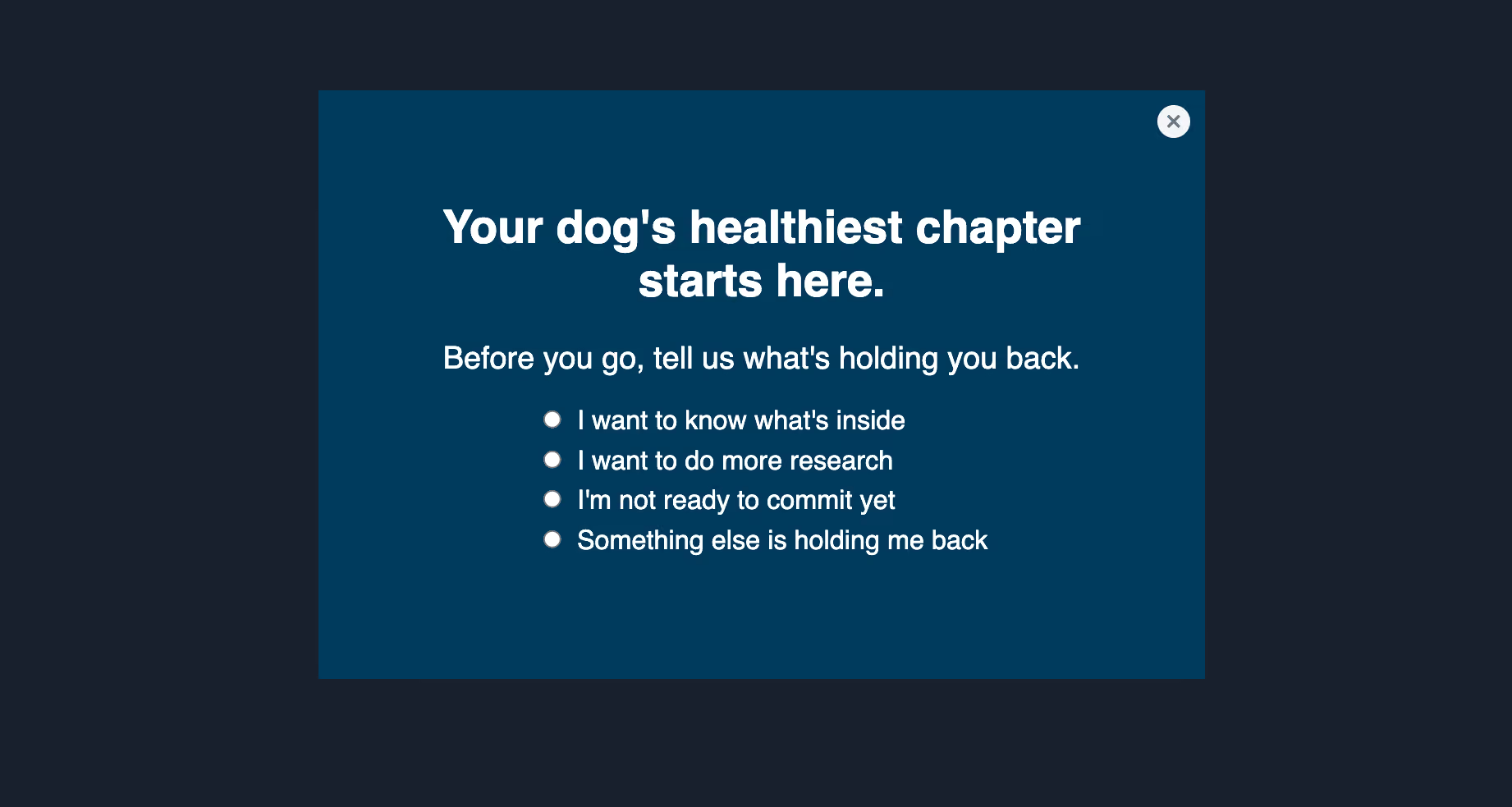
For visitors who don’t convert immediately, exit-intent popups provide a final touchpoint. This layer recaptures demand that would otherwise be lost.
The results
Funnel-driven experiences consistently outperform store-first browsing.
Most notably, Barkleys Bag’s quiz funnel generated a 55% higher AOV compared to the standard store experience. The biggest lift came from the quiz experience.
- Quiz funnel AOV: $54
- Store AOV baseline: $35.00
Additional funnel insights:
- Both quiz and popup funnels contribute to higher-value purchases
- Multiple funnel touchpoints improve conversion quality across the journey
- Guided experiences help move customers toward stronger purchase decisions
Instead of relying on a single funnel, Barkley’s marketing team built a system where each interaction increases the likelihood of a higher-value order.
The takeaway
Barkley’s Bag doesn’t treat quizzes and popups as tactics. They use them as coordinated entry points across the customer journey. While most brands send traffic to the same store experience, Barkley’s uses funnels to shape what happens after the click. From letting customers browse to guiding them toward higher-value decisions.
"With ConvertFlow's quiz funnel, our funnel AOV hit $53.97 vs. $35 on our regular Shopify store — a 56% increase. The quiz does the work of a salesperson, guiding first-time buyers to the right products for their dog instead of leaving them to guess, and the welcome-offer and exit-intent popups capture visitors we used to lose. Across the last 90 days it's driven 287 orders and over $15K in funnel revenue for us. Setup was fast and it runs on autopilot."