May Lindstrom is a luxury skincare brand operating in a high-consideration category, where purchases are driven by trust, education, and confidence.

The challenge
Shoppers don’t arrive looking to browse casually. They arrive with intent and questions like: Where should I start? Which products are right for me? How do these formulas work together?
As traffic increased, the marketing team’s challenge wasn’t demand. It was what happened after shoppers arrived.
Store-first browsing paths asked visitors to self-navigate collections, education, and routines on their own. This created friction and hesitation when clarity mattered most. High AOV potential existed, but it wasn’t being captured consistently.
The solution
Instead of relying on traditional store-first paths, May Lindstrom implemented an ongoing guided-offer funnel using ConvertFlow.
Rather than launching a one-off campaign or standalone quiz, they created a system to move high-intent traffic into well-defined, higher-value purchase paths. Because the funnel lived outside the store, the marketing team could quickly test and improve paths without waiting on developers.
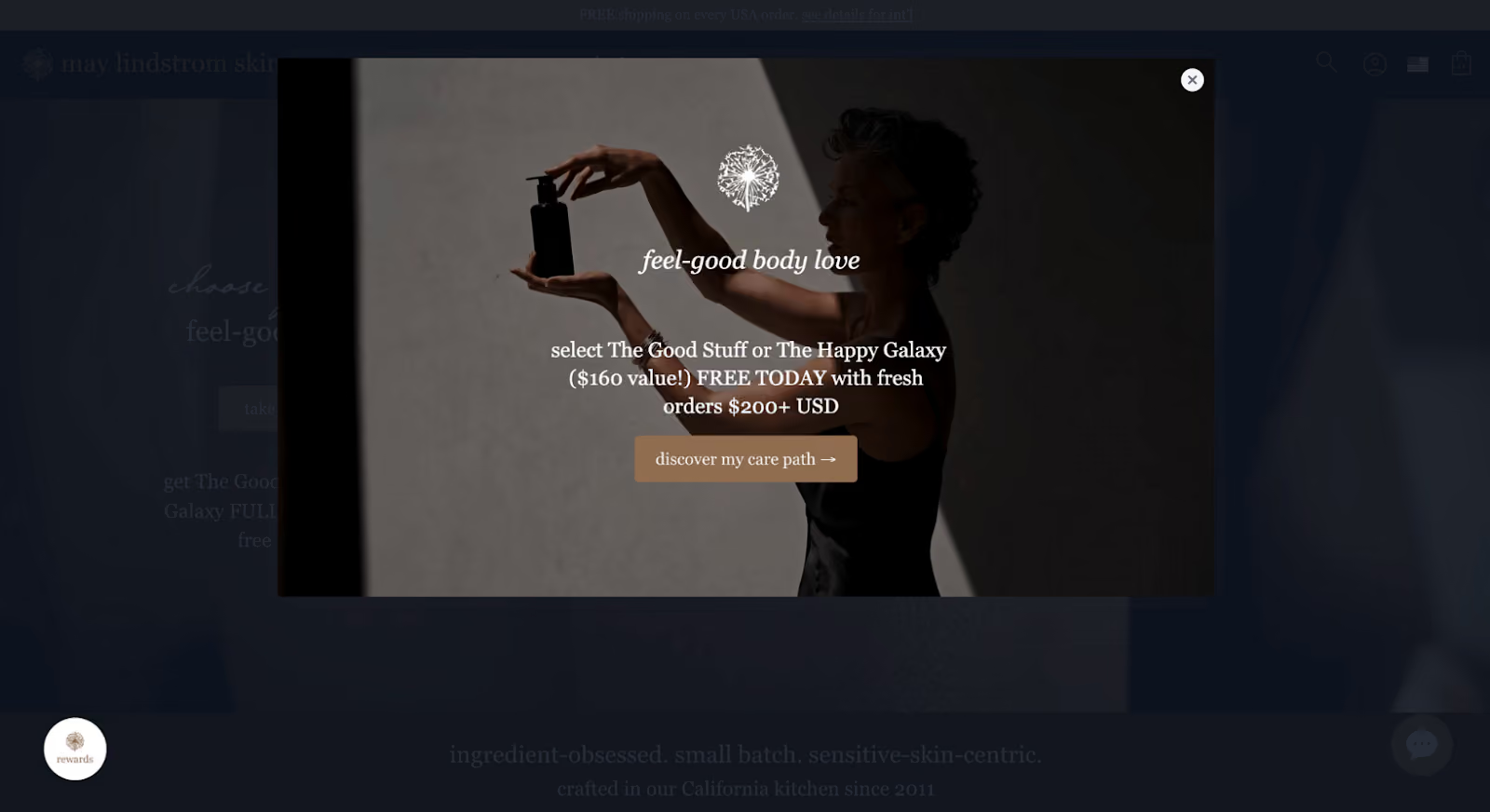
Each interaction was strategically sequenced to guide shoppers toward clearer decisions and higher-value outcomes, without sacrificing brand experience or trust.
How the funnel works
1. Guided entry instead of open-ended browsing
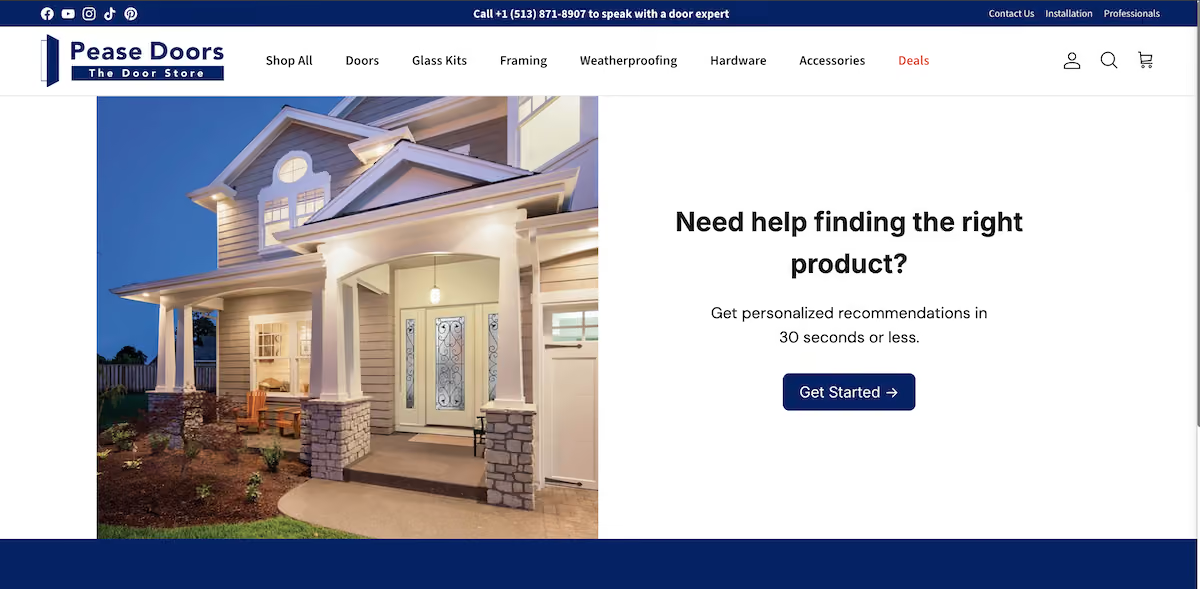
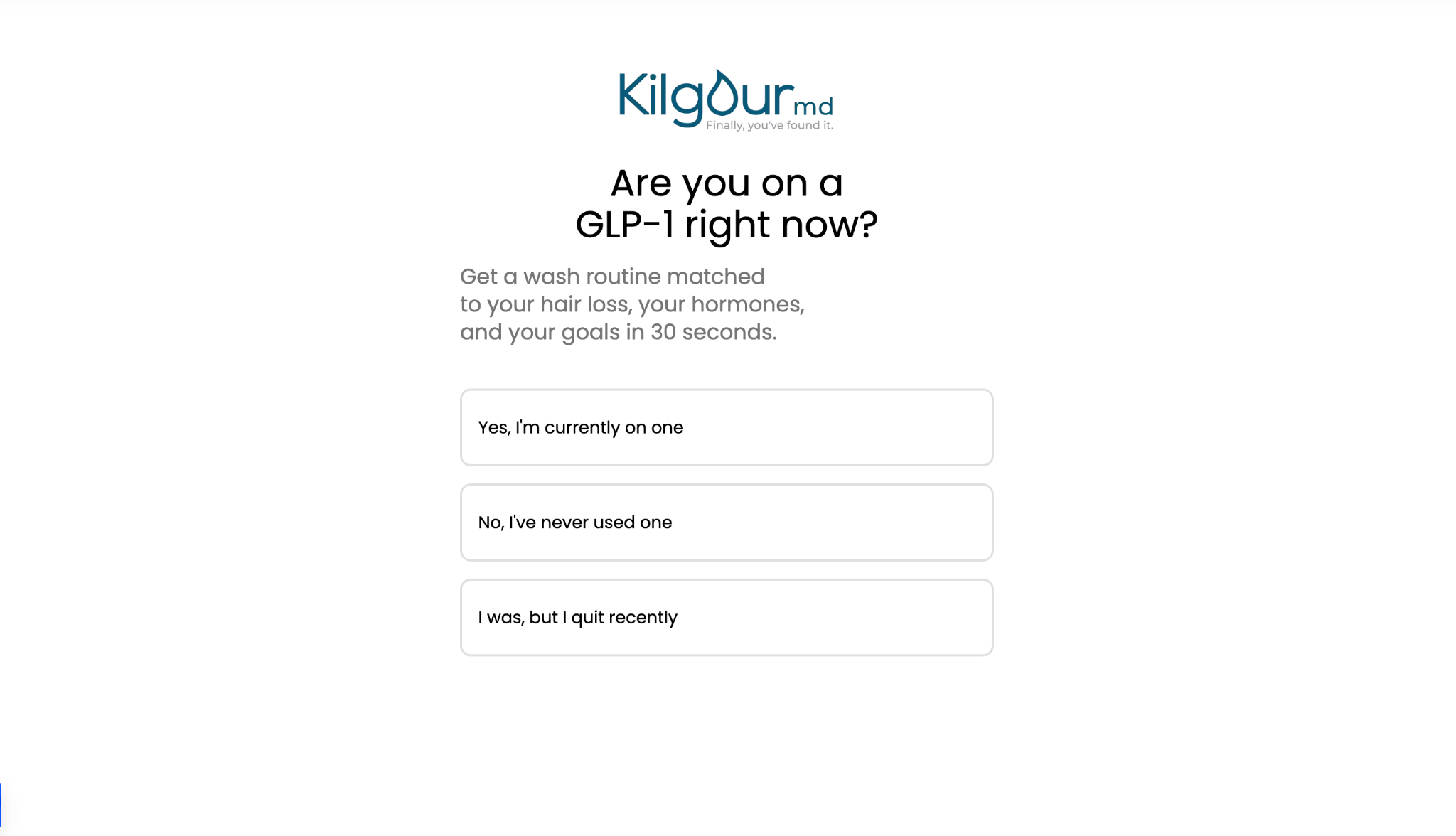
High-intent visitors start with a clear entry point instead of open-ended store browsing. A focused value exchange and a single primary action reduce friction while moving the experience forward with purpose.
2. Offer-led progression built for confidence
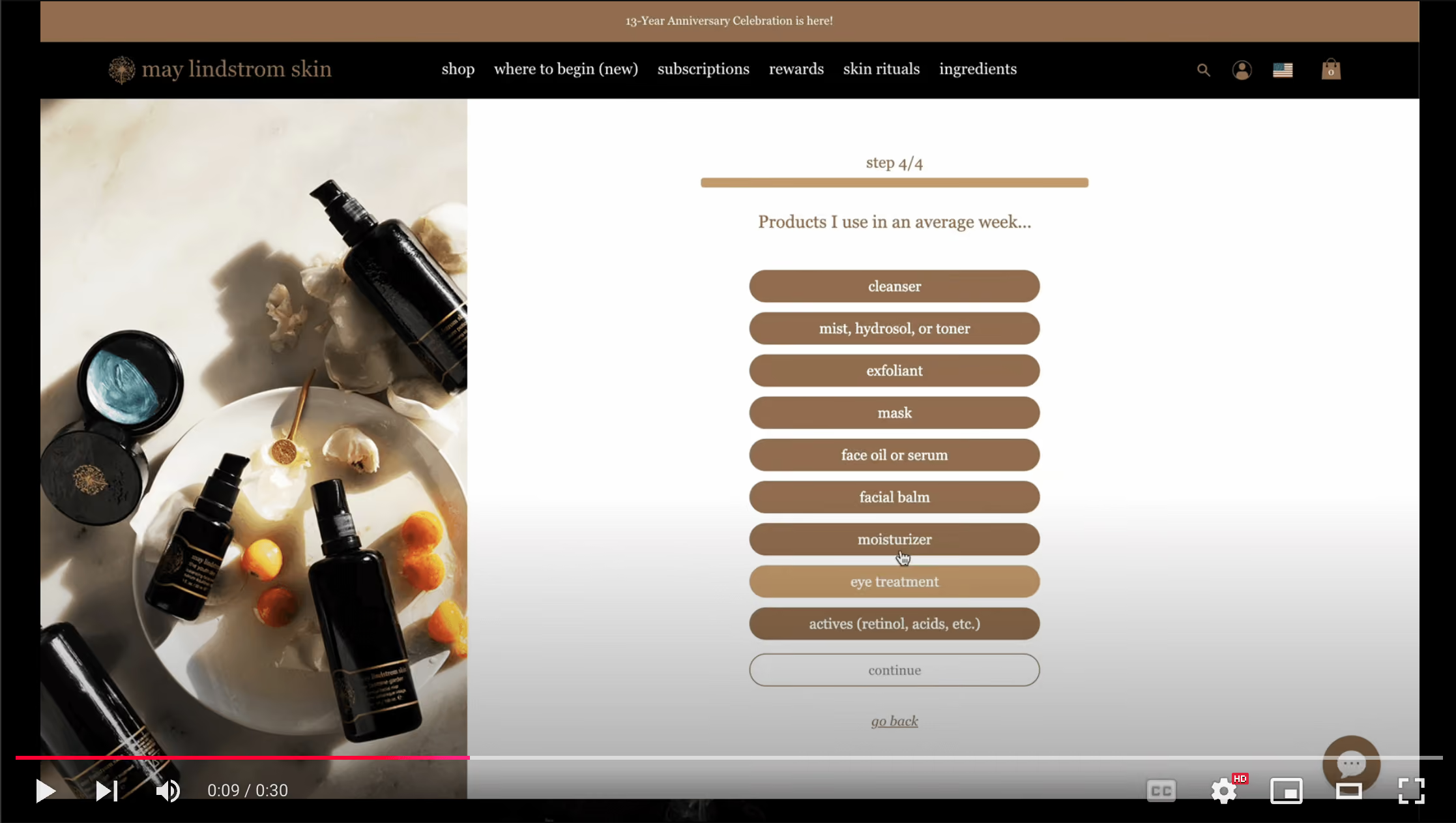
Inside the funnel, shoppers follow a clear, structured path that balances education and action. A focused offer replaces dozens of options, helping shoppers buy with confidence and keep moving forward. With ConvertFlow, the team could quickly test different offers and flows without redesigning the store experience.
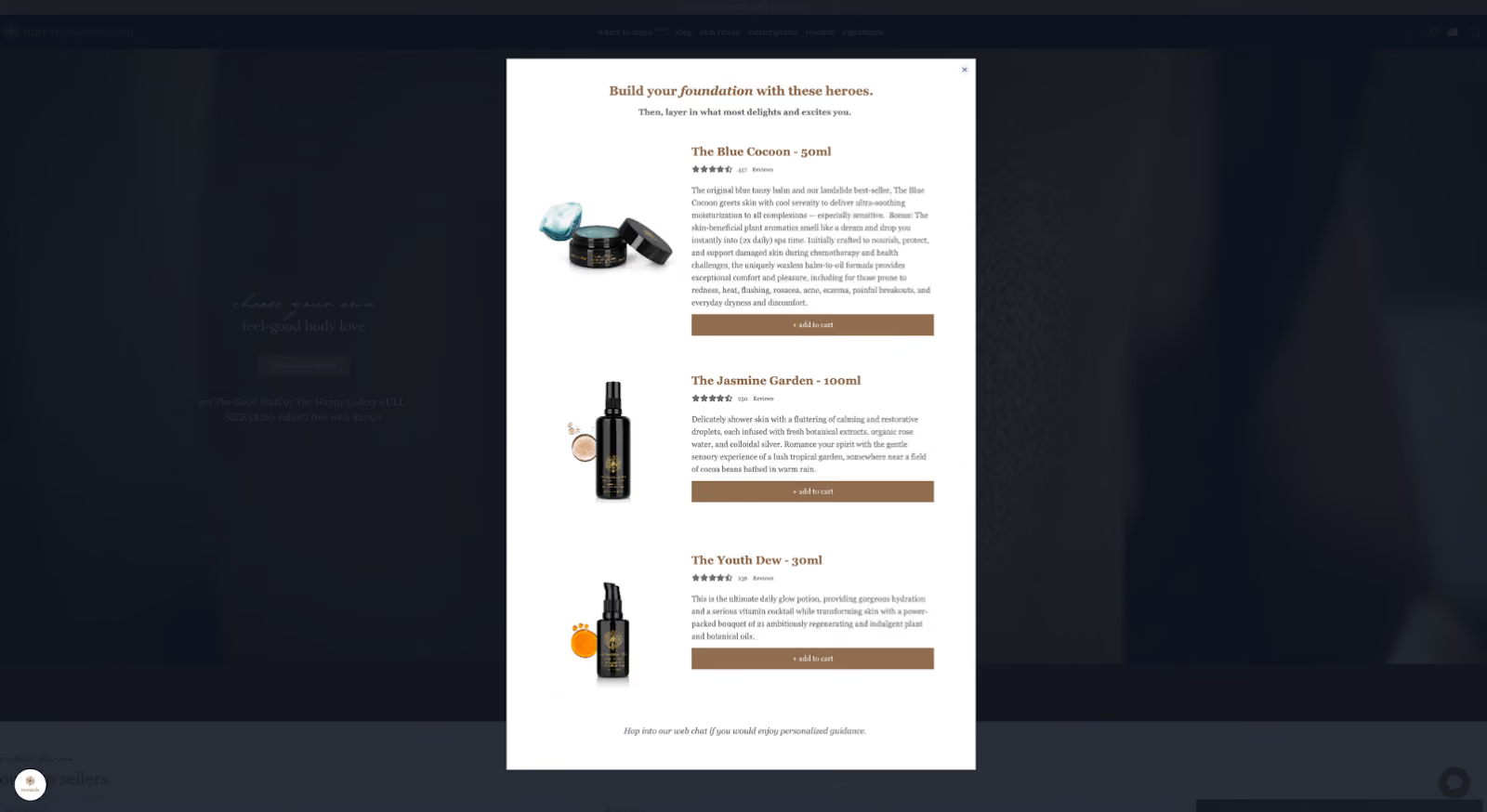
3. Intent-based paths, not one-size-fits-all flows
May Lindstrom’s funnel adapts to different shopper needs and readiness levels. Some shoppers move straight to purchase, while others explore the collection or engage with guided education. Each path is intentional and aligned with shopper intent.
4. AOV-aligned structure without heavy discounting
Rather than relying on scattered promotions, the funnel supports higher-value purchases through a clear structure. Education, offers, and next steps work together to guide shoppers toward fuller routines and more confident purchases.
Why this works for high-consideration brands
In luxury skincare, confidence drives conversion. Guided offer funnels create a clearer buying experience for high-intent shoppers, reducing hesitation and building trust along the way. May Lindstrom’s team optimized each step over time, tweaking and improving the funnel while avoiding developer bottlenecks.
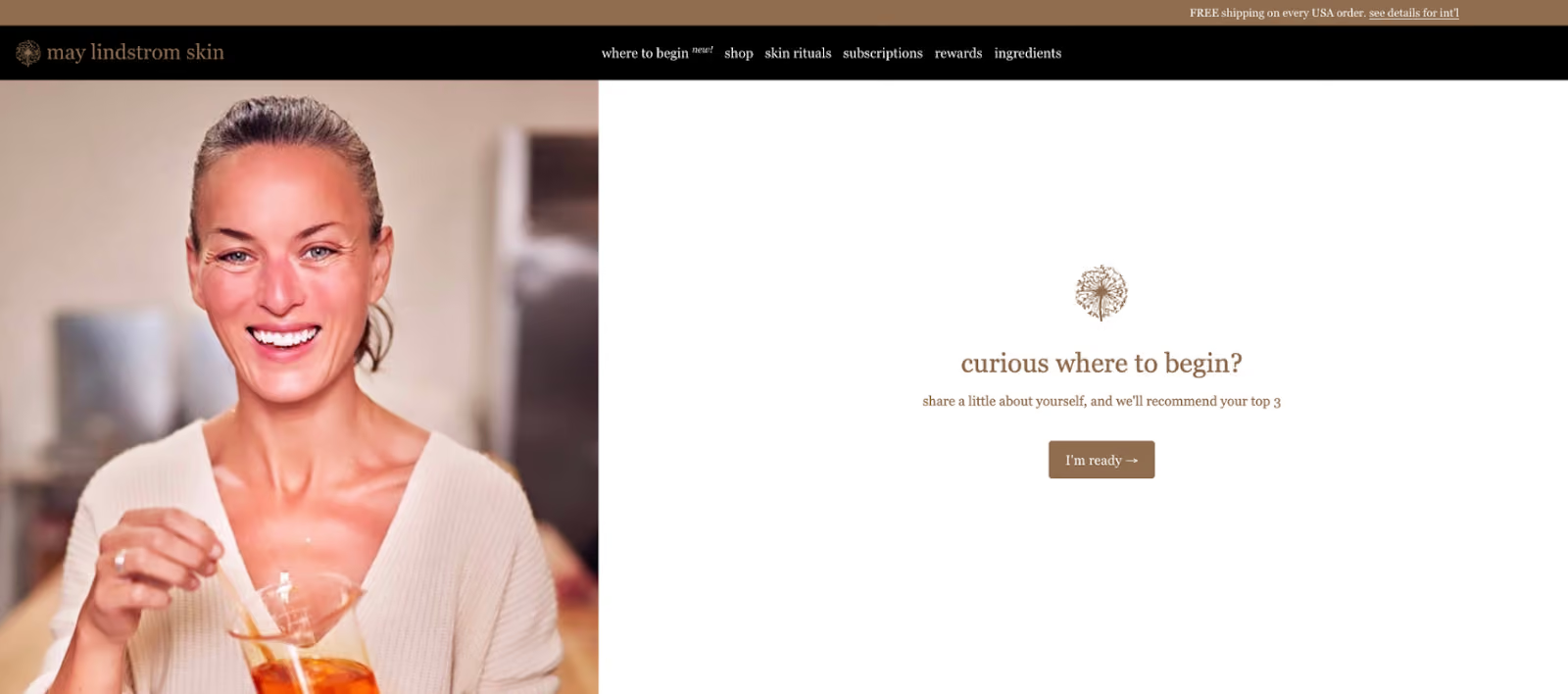
Their funnel does the cognitive work for the shopper. And while quizzes may play a role in this process, the real performance gains come from streamlining the entire buying experience, not relying on a single conversion mechanism.
See the funnel in action below:
The results
May Lindstrom’s guided offer funnel delivered a significant lift in AOV compared to store-first shopping paths.
Funnel-driven purchases reached an average order value of $260. This resulted in a 49.4% AOV increase driven by a clearer post-click buying experience.
The gains came from an ongoing funnel system that the marketing team could refine over time, and not from one-off campaigns or heavier promotions.
“Made a serious impact on the bottom line and deserves a lot of applause. I also don’t see a comparable tool yet that has as many features, plugins, integrations, etc."